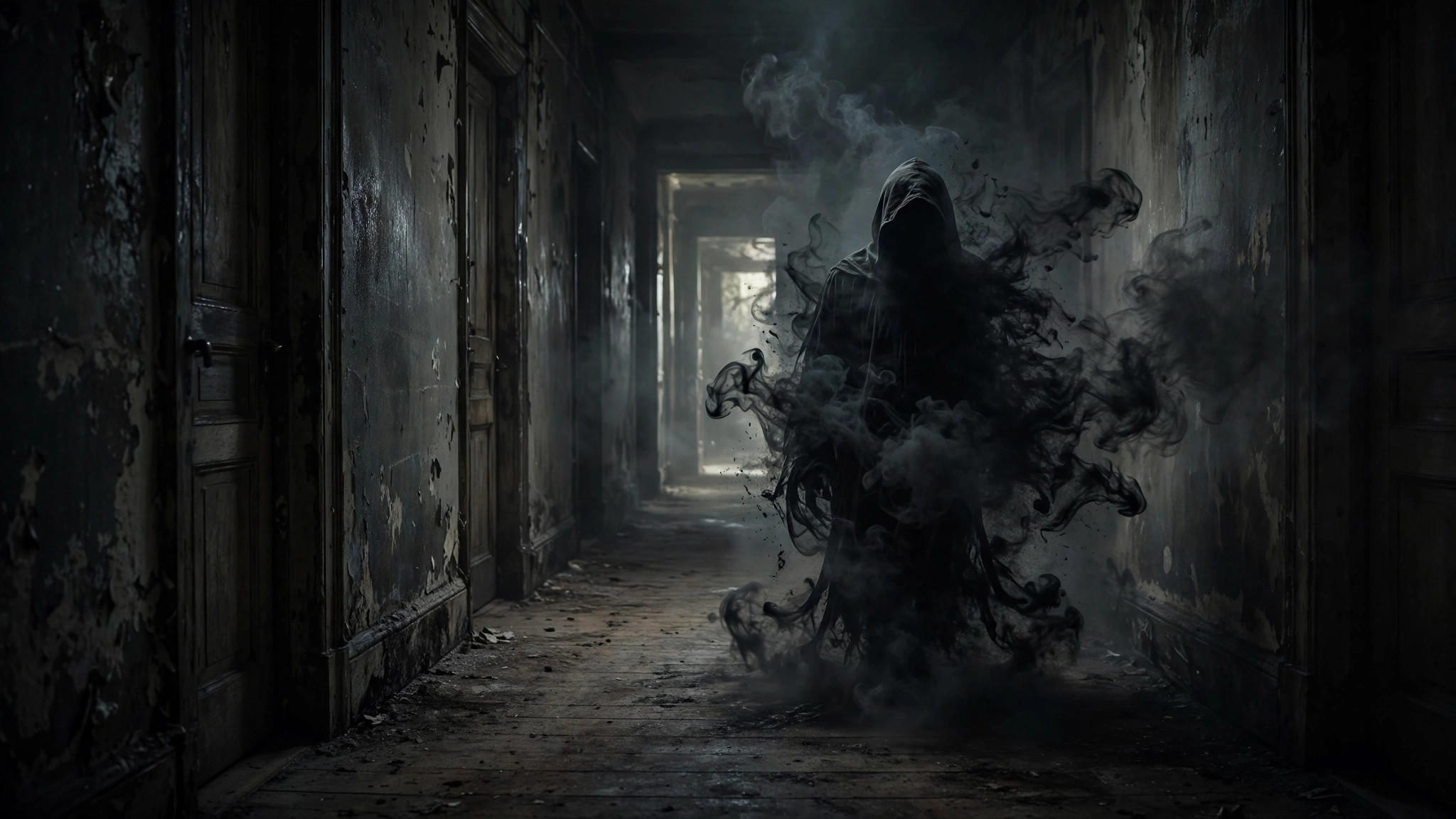
Let’s be honest: waking from a demon dream, heart hammering, is one of the least pleasant ways to start a day. The fear is real, and it deserves to be acknowledged before any interpretation begins. But here is the reassuring truth that dream researchers return to again and again — a demon in a dream is almost never about literal evil. It is about the parts of life that feel dark, threatening, or out of your control, given the scariest costume your imagination owns.
Start Here: What It Almost Certainly Is Not
It is not a premonition of doom, not a sign you are cursed, and not evidence of anything supernatural pursuing you. Demon dreams spike during ordinary human pressures: unresolved conflict, guilt, grief, addiction struggles, hostile work environments, and plain exhaustion. The figure is a magnifier — it takes a real but manageable fear and inflates it to nightmare scale so you cannot keep ignoring it.
Three Honest Ways to Read It
1. Your shadow self, asking to be seen. Jung’s concept of the shadow — the traits we disown in ourselves: anger, jealousy, selfishness — frequently appears as a monstrous figure. The demon may be a disowned part of you demanding acknowledgment. The more you run from it in the dream, the more likely this reading fits.
2. Guilt given a face. If you have done something (or failed to do something) that violates your own values, the mind can stage that guilt as a tormentor. The demon’s accusations, if it spoke, often echo your own harshest self-talk word for word.
3. An external pressure made visible. Sometimes the demon is not you at all — it is a toxic relationship, a threatening situation, or an oppressive obligation. Note whether the demon felt like it came from inside you or attacked from outside; that distinction is the dream telling you where the problem lives.
Questions After a Demon Dream
Does it mean something bad will happen?
No. Nightmares reflect emotional states, not future events. Treat it as a status report on your inner life, not a forecast.
Why was it so vivid and terrifying?
High emotional charge makes dreams memorable. Stress hormones, fever, late-night screen time, and sleeping on your back can all intensify nightmares. The terror is a feature of the dream mechanism, not a measure of the threat.
What if the demon spoke to me?
Write down what it said. Spoken dream content is often strikingly direct — it may name the fear or the person behind the dream more plainly than the imagery does.
Should I be worried if these dreams repeat?
Recurring demon dreams suggest a persistent unresolved issue. If they come with daytime anxiety, disrupted sleep, or intrusive thoughts, talking to a counselor is a strong and sensible step — not because the dreams are supernatural, but because the stress behind them deserves support.
Settling Your Nerves Tonight
After a dream like this, grounding matters more than analysis. Get up, turn on a light, drink some water, and remind yourself where and when you are. Many people find it helps to “close” the dream deliberately: imagine the scene again and give it a different ending — the demon shrinking, dissolving, or simply leaving. Then, when you are calm, jot down the one waking-life pressure that feels most connected. Naming it shrinks it; that is the whole point the dream was making. To understand where the demon archetype comes from, see the Wikipedia article on demons for a broad overview.










