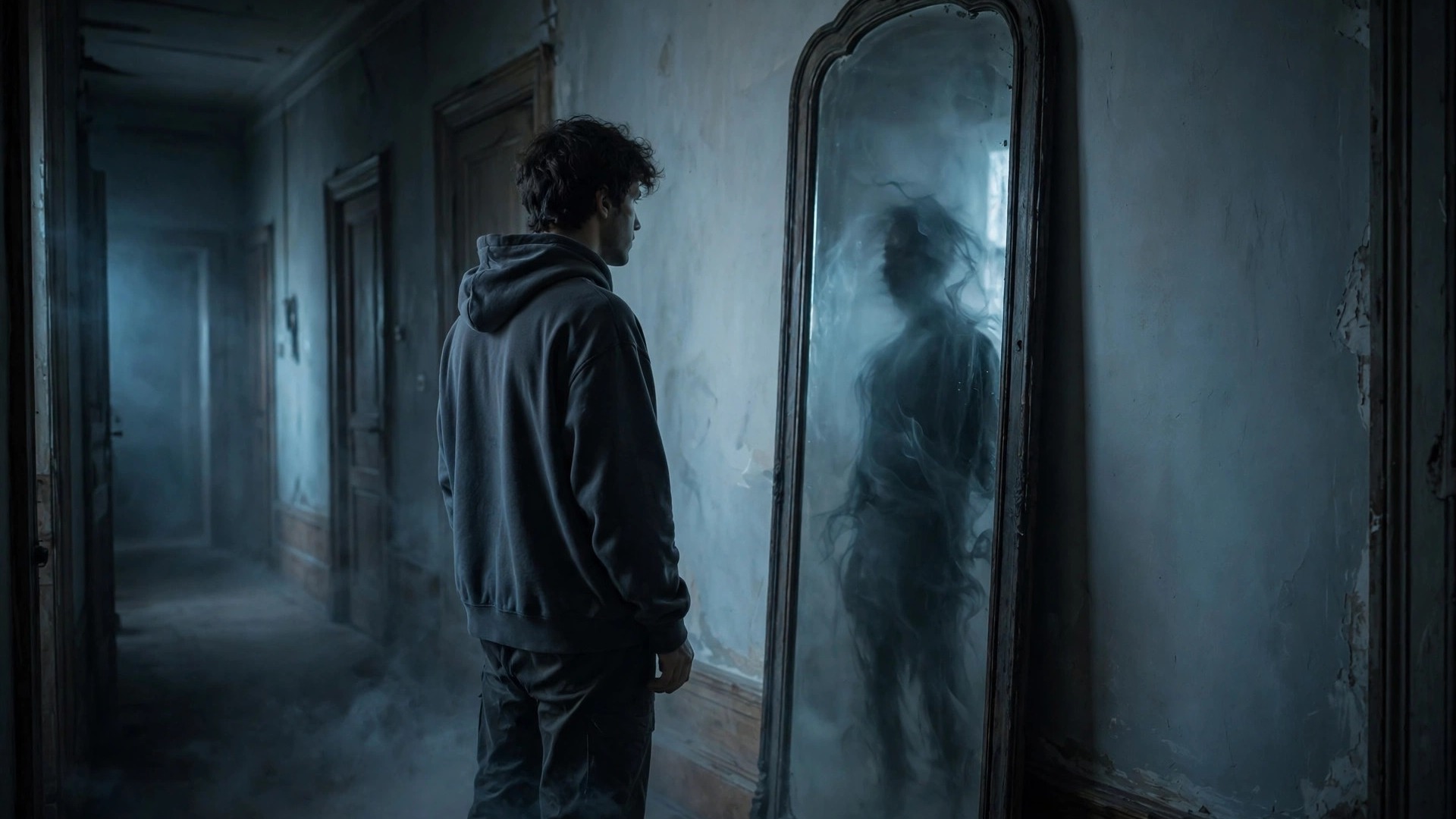
It is one of the most startling dreams a person can have: you dream of your own death. You wake with your heart hammering, the final image still vivid — and then the immense relief of being alive, breathing, here. It feels like a warning. It almost never is. Across dream traditions worldwide, death in dreams is the great symbol of transformation. Something is ending so something else can begin. The dream is not about your body; it is about an identity, a chapter, or a version of you that has served its purpose and is ready to be released.
The Ending That Is Really a Beginning
Modern psychology adds a useful observation: these dreams often spike during major life transitions — graduation, divorce, career change, becoming a parent. The person you were is dying because the person you are becoming needs the room. Jung went further: he saw death in dreams as one of the most positive symbols in the dream lexicon, representing the transformation of the personality. The ego — the old way of being — dies so that a larger Self can emerge. What feels like an ending in the dream is usually growth in disguise.
Freud viewed death dreams through the lens of unconscious wishes and anxieties — sometimes a wish for escape from an unbearable situation, sometimes anxiety about change itself. The “death” is often the psyche’s dramatic shorthand for wanting a situation to end. Spiritually, the reading is parallel: dreaming of your own death is widely read as a sign of spiritual rebirth. Many traditions — from ancient mystery rites to modern spiritual psychology — treat symbolic death as the doorway to new life. The dream may be announcing that you are shedding an old self: old beliefs, old wounds, old limitations. It can also signal the completion of a karmic cycle. If you have been working through a long struggle — grief, addiction, a painful relationship pattern — the dream may be your soul’s way of saying the lesson is integrating and the weight is lifting.
How You Died Changes What It Means
Dying peacefully. A calm, peaceful death in a dream is a deeply hopeful image. It suggests acceptance — you are ready to let go of whatever is ending. Many people wake from these dreams feeling strangely serene, as if a burden has been set down.
A violent or sudden death. A violent death usually reflects feeling that change is being forced on you, or that an ending feels abrupt and unfair. The intensity mirrors the emotional charge of the transition, not any literal danger.
Watching your own funeral. Observing your funeral often relates to how you believe others see you, or a desire for recognition. It can also be the psyche’s way of grieving an old identity — literally holding a service for who you used to be.
Dying and coming back to life. Death followed by revival is the clearest rebirth symbol in dreaming. It says: the ending is real, and so is the beginning that follows. This dream often arrives right at the turning point of a hard chapter.
Being told you will die. Being told of your coming death — by a figure, a voice, a calendar — usually points to a deadline or ending you sense approaching: a relationship, a job, a phase. The dream gives the vague dread a dramatic form so you can face it.
The Question the Dream Is Really Asking
Some interpreters see the dream as an invitation to live more fully. Confronting your mortality, even in a dream, has a way of clarifying what matters. The dream may be asking: if this chapter is ending, what do you want the next one to hold? That is the question to carry into the day — not “am I going to die?” but “what is ending, and what is trying to begin?”
Why do you feel so shaken after this dream? Because the imagery is primal. Your nervous system responds to the drama of the scene even though your wiser mind knows it is symbolic. The intensity is a measure of how significant the life transition feels. Does dreaming of your own death mean you will die? No. Dream dictionaries and psychologists alike agree: dreaming of your own death is virtually never a literal prediction. It is a symbol of endings and transformation in your inner or outer life. Is it a bad omen? Quite the opposite in most traditions. It is considered a sign of major positive change — the old making way for the new. Fear in the dream reflects the scariness of change, not a coming calamity.
After the Dream: Five Gentle Steps
- Ask what is ending in your life right now, and what is trying to begin — the dream is about the threshold between them.
- Journal a eulogy for the “old you”: what are you ready to release with gratitude?
- Notice whether the dream felt like relief or terror; the emotion reveals your true feelings about the change.
- Talk to someone you trust about the transition you are in — naming it reduces its power to frighten.
- Practice a small symbolic ending: clear a space, finish an old task, or write a goodbye letter you never send.
You woke up, and that is the whole point. The dream let a part of you die safely in the night so the rest of you could live more fully in the day. Honor what is ending, bless what is beginning, and step into the morning a little more yourself than you were yesterday. For a broader look at how humanity has understood death — biologically, culturally, and philosophically — Wikipedia’s article on death is a thoughtful companion to this dream.










