An hourglass, turned over: sand pouring from the top bulb to the bottom, grain by grain, with nothing you can do to slow it. That image — time you can see, time you can almost touch — is the oldest meaning sand has ever carried, and it is probably why your dream chose it.
Time You Can Hold in Your Hands
Sand is time made visible. Every tradition that has watched an hourglass knows this, and the dreaming mind knows it too: when sand dominates a dream, time is the subject. Not clock time — felt time. The sense that something is passing, slipping, arriving, or running out. The dream’s gentleness or urgency tells you which one.
But sand is also countlessness. The grains cannot be numbered, and in that innumerability the old readings found humility and blessing at once: your thoughts, your days, the small mercies of an ordinary life — each one tiny, together vast. A sand dream can be a call to honor the small grains, the unremarkable good things that, added up, are the actual substance of a life.
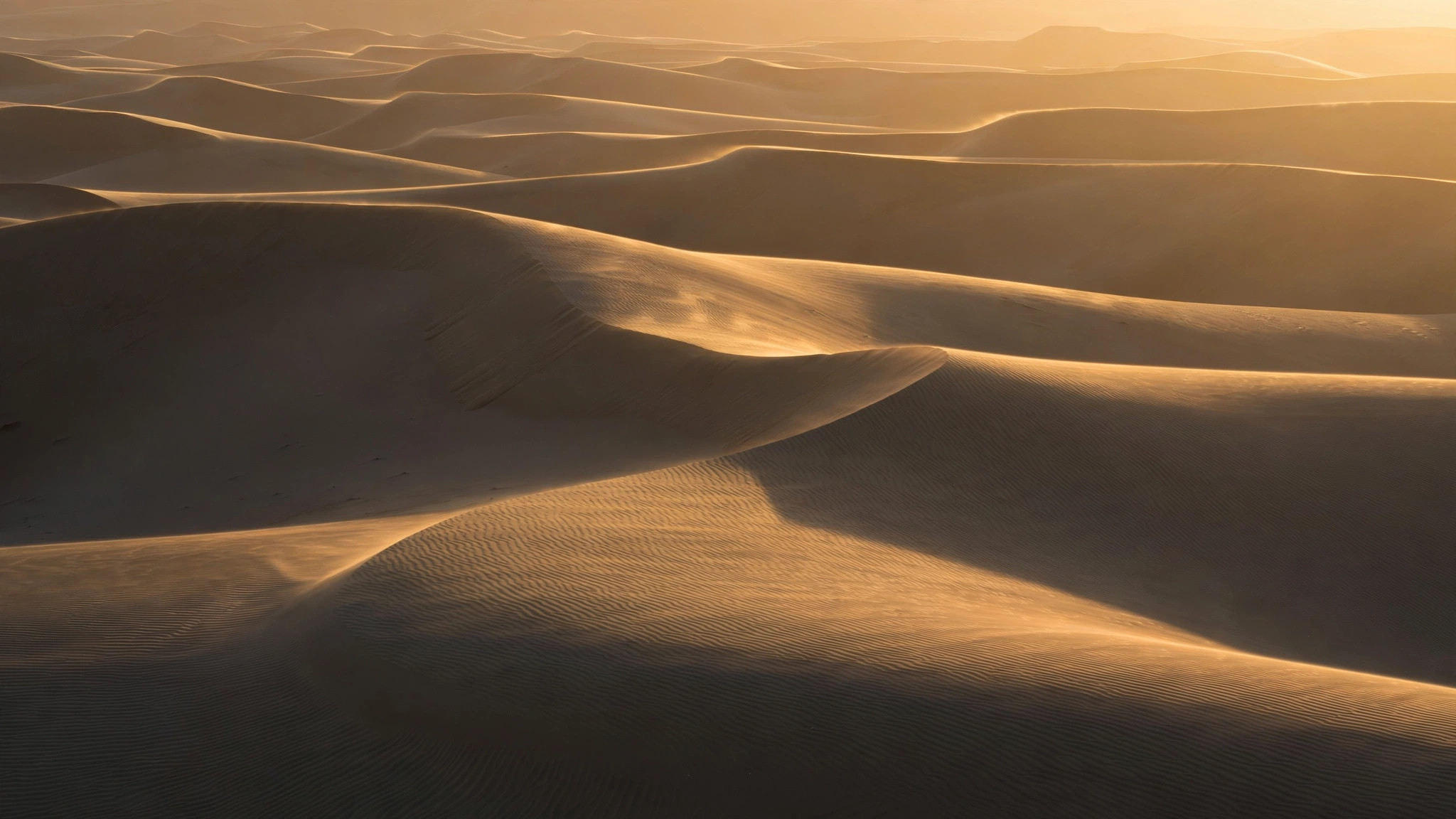
There is a wilder sand too: the desert, the wilderness, the spiritual testing ground where everything nonessential is stripped away. Dreams of endless sand often arrive during dry seasons — loneliness, creative drought, a faith that feels like echo. Yet deserts are also where revelations happen. The wilderness is never just empty; it is where the soul gets refined. And sometimes the sand is holy ground entirely — a beach at dawn, the meeting of land and sea, a thin place where the boundary between the human and the divine feels permeable.
Psychologically, the image works the same way from the inside. Sand slipping through fingers is the classic picture of anxieties about time and control — aging, missed chances, the feeling that life is passing while you watch. Walking across deep sand, meanwhile, mirrors moving over the surface of a vast inner life, with far more beneath you than you can see. The dream’s counsel in both cases is identical: stop clutching, start noticing.
Firm Ground or Shifting?
The feeling under your feet is the fastest way to read a sand dream, because the body in the dream is telling the truth the mind might dodge. A warm beach beneath your feet usually carries restoration with it — rest, emotional openness, the conscious and unconscious meeting like shoreline and sea. If you have been running on empty, this dream is permission to stop. Sand slipping through your fingers is the classic image of time or control escaping your grip: grief for what is passing, anxiety about aging, the sense that something precious cannot be held. The reflective answer is never to grip harder — it is presence, attention to what is still in your hands.
Sinking into quicksand is an anxiety dream wearing a costume. The harder you struggle, the deeper you go — which is precisely the dream’s instruction inverted: stop thrashing. Whatever has you trapped — obligations, emotions, a situation closing in — will yield to stillness and strategy, not panic. An endless desert of sand stretches the theme wider: loneliness, a long road ahead, a season of dryness. But remember that deserts are crossed, not inhabited; the dream may be preparing you for a meaningful passage rather than a permanent condition.
And then there is the castle made of sand — beautiful, detailed, doomed by the first tide. Sandcastles are the dream’s tender critique of anything built on a weak foundation: a plan, a relationship, an identity that looks magnificent and cannot stand. The dream is not mocking your efforts. It is asking a builder’s question: what would make this last?
Three Questions to Ask This Dream
Sit with the dream for a few quiet minutes before you analyze it — then ask:
- Was the ground firm or shifting? That single sensation mirrors your current sense of stability more honestly than any analysis. Name where waking life feels solid and where it feels like it could give way.
- What is the time theme? If time felt central — slipping, running out, stretching endlessly — ask what you are afraid of losing, or what you are quietly being asked to release.
- Where is your desert, and what would water it? If the dream was arid, identify the dry region of your life — work, love, spirit — and name one small thing that might bring rain.
Sand teaches the paradox of holding lightly: the tighter you grip, the more slips through. Whatever your dream showed you — beach, desert, or hourglass — its quiet message is to stand present on the ground you have, grain by precious grain. To learn more about the material behind the metaphor, see the Wikipedia article on sand.










