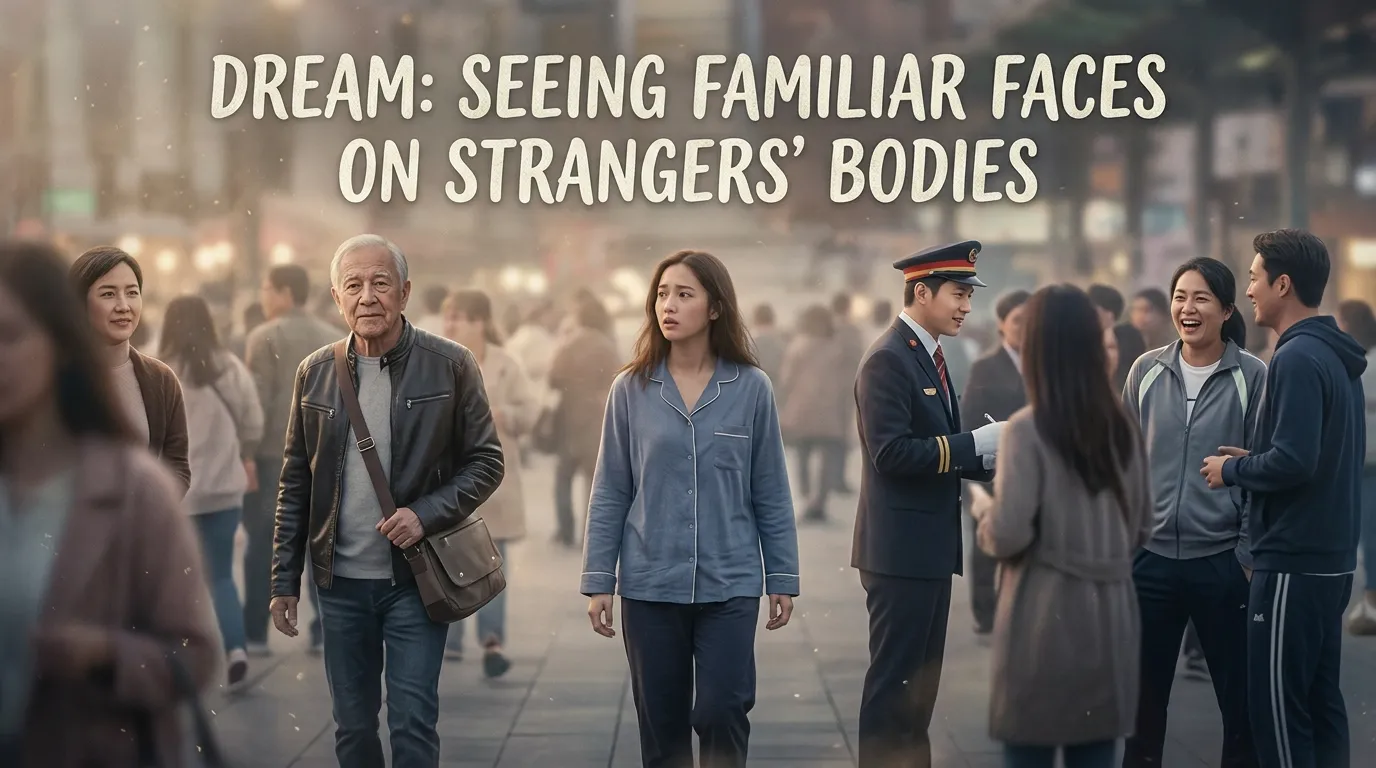
Have you ever woken up from a dream feeling deeply unsettled because someone you knew appeared in the body of a complete stranger? Maybe your friend had the face of an unknown person, or a stranger somehow felt like your mother, partner, or childhood friend. These dreams can feel eerie, emotional, and strangely meaningful.
The experience often leaves people wondering whether the dream carries a hidden message about identity, trust, memory, or unresolved emotions. In many cases, dreams involving familiar faces on strangers’ bodies reflect a blend of emotional confusion, inner conflict, spiritual awareness, and subconscious processing.
While the dream may seem random at first, it usually symbolizes something much deeper happening beneath the surface of your mind.
What Does Seeing Familiar Faces on Strangers’ Bodies in a Dream Mean?
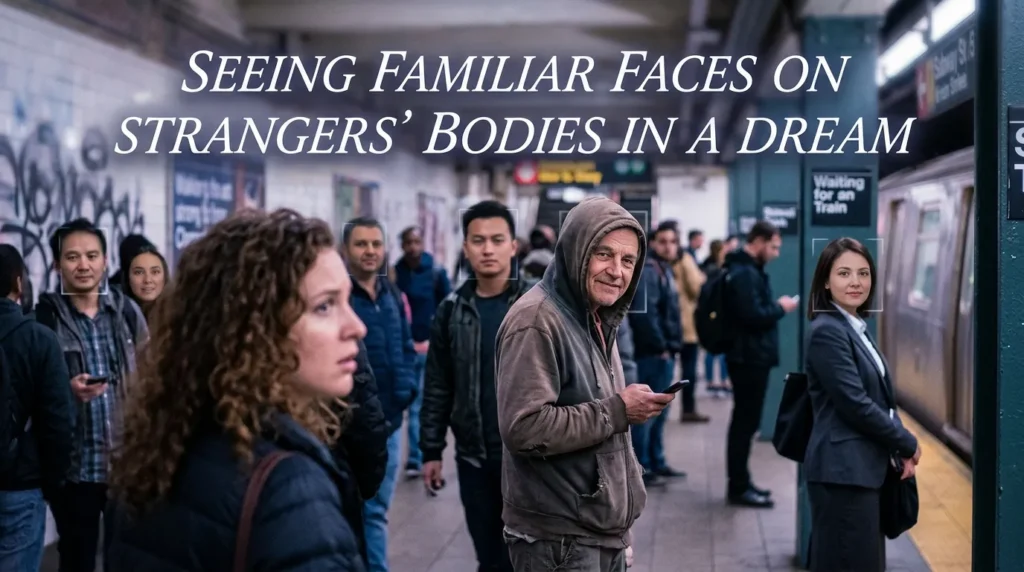
At its core, this dream often represents mixed emotions, hidden truths, emotional projection, or uncertainty about relationships. Your subconscious may be trying to combine what is familiar with what is unknown.
The familiar face symbolizes:
- Recognition
- Emotional attachment
- Memory
- Trust or unresolved feelings
The stranger’s body symbolizes:
- Change
- Uncertainty
- Hidden identity
- Fear of not truly knowing someone
- Transformation
When these two elements merge, the dream can point to a situation in waking life where someone feels emotionally familiar yet psychologically distant — or where you are struggling to fully understand yourself or another person.
These dreams are especially common during:
- Emotional stress
- Relationship changes
- Personal transformation
- Spiritual awakening
- Anxiety about trust or identity
The Emotional and Spiritual Connection Behind the Dream
Dreams like this often emerge when emotions become difficult to organize consciously. Your brain uses symbolic imagery to process confusion that words cannot easily express.
Spiritually, the dream may suggest:
- A disconnect between appearance and truth
- Intuition warning you about hidden intentions
- A changing relationship dynamic
- An evolving sense of self
- Emotional memories resurfacing
Many spiritual traditions believe dreams reveal the parts of ourselves we ignore during waking life. Seeing a known face attached to an unfamiliar form can symbolize that your soul is recognizing emotional energy even when external circumstances have changed.
The Symbolism of the Shadow in Dreams
A major symbolic theme connected to this type of dream is the shadow self.
The “shadow” refers to the hidden parts of your personality — emotions, fears, desires, or memories that you suppress or avoid.
In dream symbolism, familiar faces appearing in distorted or unfamiliar ways may represent:
- Hidden anger
- Fear of betrayal
- Repressed sadness
- Guilt
- Identity confusion
- The struggle between ego and higher self
The shadow is not always negative. Sometimes it contains hidden strengths, creativity, and emotional truth waiting to be acknowledged.
When the dream feels disturbing, it may indicate that your subconscious wants you to confront emotions you have ignored.
Why Fear or Pursuit Intensifies the Meaning
If the familiar-faced stranger is chasing you, watching you, or creating fear in the dream, the symbolism becomes stronger.
Being chased in dreams often represents:
- Avoidance
- Emotional pressure
- Unresolved trauma
- Anxiety
- Inner conflict
The familiar face suggests the issue is emotionally connected to someone or something you already know.
Spiritually, this can symbolize:
- Running from truth
- Ignoring intuition
- Fear of confronting your authentic self
- Resistance to emotional healing
The more intense the fear feels, the more emotionally important the unresolved issue may be.
Freudian Interpretation of the Dream
According to Sigmund Freud, dreams are deeply connected to hidden desires, suppressed memories, and unconscious emotional conflict.
Freud might interpret familiar faces on strangers’ bodies as:
- Repressed feelings toward someone
- Conflicted attraction or resentment
- Emotional displacement
- Unresolved childhood experiences
For example:
- A parent’s face on a stranger may symbolize authority issues
- A romantic partner’s face may reflect insecurity or emotional distance
- A friend appearing unfamiliar may suggest trust concerns
Freud believed dreams disguise difficult emotions in symbolic form to protect the conscious mind from emotional overwhelm.
Jungian Interpretation: The Archetypes of Identity
Carl Jung viewed dreams differently. He believed dreams reveal the journey toward psychological wholeness.
Jung would likely see this dream as a meeting between:
- The conscious self
- The unconscious mind
- The shadow self
- Emotional archetypes
A familiar face on a stranger’s body may symbolize:
- Parts of yourself reflected through others
- Hidden personality traits
- Emotional transformation
- The blending of old identity with new growth
Jung believed that dreams often guide people toward self-awareness. The unfamiliar body may represent change, while the familiar face represents emotional continuity.
Energy and Spiritual Interpretations
Many spiritual traditions believe dreams operate through energetic symbolism rather than literal events.
From an energy-based perspective, this dream may reflect:
- Emotional imbalance
- Blocked energy
- Intuitive sensitivity
- Spiritual awakening
Some interpretations connect the dream to chakra imbalances:
Root Chakra Imbalance
May cause fear, insecurity, or distrust.
Heart Chakra Blockage
May reflect emotional confusion in relationships.
Third Eye Activation
Can increase symbolic dreaming and heightened intuition.
People experiencing spiritual growth often report dreams where identities become fluid, symbolic, or emotionally layered.
Emotional Blocks and Inner Conflict
This dream can also reveal emotional contradictions.
You may:
- Trust someone but feel uncertain about them
- Miss a past version of a person
- Feel disconnected from yourself
- Struggle with identity changes
- Sense emotional dishonesty around you
The brain sometimes blends faces and identities to express emotional complexity that cannot be explained logically.
Common Dream Scenarios and Their Meanings
Running Away From the Familiar-Faced Stranger
This often symbolizes emotional avoidance.
You may be avoiding:
- Difficult conversations
- Past trauma
- Relationship truth
- Self-reflection
The dream suggests your subconscious wants acknowledgment rather than escape.
Never Getting Caught
If the stranger chases you but never catches you, the dream may reflect ongoing anxiety that has not yet reached resolution.
This can symbolize:
- Chronic stress
- Lingering fear
- Emotional tension
- Fear of confrontation
You may sense something is wrong emotionally but are not yet ready to face it directly.
Facing the Stranger
If you stop and confront the figure, the dream usually carries a more positive meaning.
This often symbolizes:
- Emotional courage
- Personal growth
- Acceptance
- Healing
- Self-awareness
Facing the figure can represent integration of the shadow self.
The Stranger Suddenly Disappears
When the familiar-faced stranger vanishes, it may indicate:
- Emotional release
- Resolution
- Letting go
- Acceptance of change
Sometimes this dream occurs after an important emotional realization in waking life.
Gradual Realization vs Sudden Fear Reactions
The emotional tone of the dream matters greatly.
Gradual Realization
If you slowly realize the stranger has a familiar face, the dream often reflects:
- Growing awareness
- Emotional discovery
- Subtle intuition
- Hidden truths emerging
This type of dream tends to be more reflective than frightening.
Sudden Fear or Shock
If the recognition happens suddenly and causes panic, it may symbolize:
- Emotional overwhelm
- Fear of betrayal
- Sudden life changes
- Anxiety about identity or trust
The subconscious sometimes uses fear to draw attention to emotionally urgent issues.
Causes and Triggers Behind These Dreams
Several psychological and emotional factors can trigger this kind of dream.
Stress and Anxiety
High stress can distort dream imagery because the brain is emotionally overloaded.
Trauma or Emotional Pain
Past emotional wounds may reappear symbolically through altered faces and identities.
Relationship Changes
Breakups, conflict, distance, or trust issues can trigger dreams involving identity confusion.
Major Life Transitions
Moving, career changes, grief, or personal transformation often produce symbolic dreams about unfamiliarity and emotional displacement.
Emotional Suppression
Ignoring emotions during the day frequently causes stronger symbolic activity during sleep.
The Neuroscience Behind the Dream
Scientifically, dreams occur mainly during REM (Rapid Eye Movement) sleep, when the brain becomes highly active.
During REM sleep:
- Emotional memories are processed
- The brain organizes experiences
- Fear responses become activated
- Memory fragments combine symbolically
Neuroscientists believe the brain uses dreams to simulate emotional situations and rehearse responses to possible threats.
This is called the threat simulation theory.
The brain’s facial recognition systems can also merge familiar and unfamiliar imagery during dreaming, creating strange identity combinations that feel emotionally real.
In simple terms:
Your dreaming brain is trying to process emotional meaning, not create logical reality.
Personal Growth Lessons From the Dream
Although unsettling, these dreams often encourage important emotional growth.
They may invite you to:
- Trust your intuition
- Explore hidden emotions
- Heal unresolved pain
- Accept personal transformation
- Become more self-aware
- Face emotional truth
Dreams that disturb us emotionally are often the ones carrying the deepest lessons.
Reflection and Healing Tips
Keep a Dream Journal
Write down:
- Faces you recognized
- Emotions you felt
- Locations and symbols
- Relationship connections
Patterns often emerge over time.
Practice Mindfulness
Mindfulness helps calm emotional overload and improves awareness of subconscious stress.
Simple breathing exercises before sleep may reduce anxiety-driven dreams.
Explore Shadow Work
Shadow work involves gently examining:
- Hidden fears
- Emotional triggers
- Suppressed memories
- Repeated relationship patterns
This process can lead to deeper emotional healing.
Talk About Emotional Stress
Sometimes dreams intensify when emotions remain unspoken. Talking with someone you trust may reduce subconscious pressure.
Improve Sleep Quality
Healthy sleep habits can reduce emotionally chaotic dreaming:
- Avoid overstimulation before bed
- Reduce late-night stress
- Maintain consistent sleep routines
Frequently Asked Questions
Is seeing familiar faces on strangers’ bodies in a dream bad?
Not necessarily. These dreams usually symbolize emotional processing, identity confusion, or subconscious reflection rather than danger.
Why do the dreams feel so emotionally real?
Dreams activate emotional centers in the brain very strongly during REM sleep, which can make symbolic experiences feel intense and realistic.
Can this dream predict betrayal?
Dreams are generally symbolic rather than literal predictions. However, they may reflect subconscious concerns about trust or emotional uncertainty.
Does the dream mean I secretly fear someone?
Possibly. The dream may reveal hidden anxiety, emotional tension, or unresolved feelings connected to that person.
What does it mean spiritually?
Spiritually, the dream may symbolize intuition, transformation, emotional awakening, or the need to confront hidden aspects of yourself.
Why do familiar people appear distorted in dreams?
The brain blends memories, emotions, and symbolic imagery during sleep, creating altered or merged identities.
Are these dreams connected to anxiety?
Yes. Stress and emotional overload are common triggers for identity-related dreams.
Can shadow work help reduce these dreams?
For many people, yes. Emotional awareness and healing practices can reduce recurring subconscious tension.
Final Thoughts
Dreams about seeing familiar faces on strangers’ bodies can feel mysterious, emotional, and deeply personal. They often appear during periods of stress, transformation, emotional confusion, or spiritual growth.
Rather than viewing the dream as something frightening, it can help to see it as a message from the subconscious mind — a symbolic invitation to explore hidden emotions, unresolved experiences, and deeper self-awareness.
Sometimes the people we see in dreams are not really about others at all. They may be reflections of parts of ourselves we are only beginning to recognize.
By approaching these dreams with curiosity instead of fear, you may uncover powerful insights about healing, identity, relationships, and inner growth.