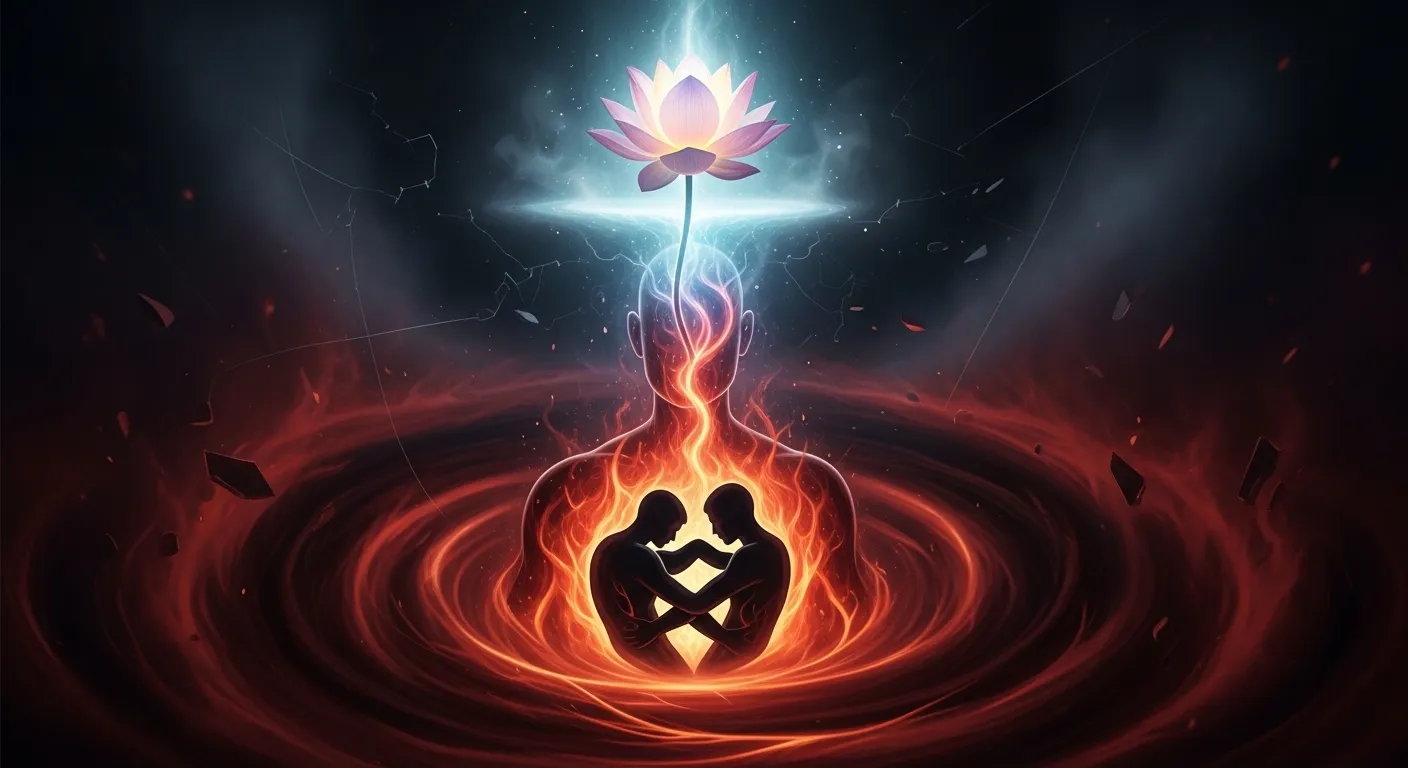
Dreams about anger can feel intense, confusing, and emotionally draining. You may wake up with a racing heart, lingering frustration, or even guilt over how powerful the emotions felt. Sometimes you are angry at someone else. Other times, someone in the dream is angry with you. In certain dreams, the anger feels explosive and uncontrollable, almost as if something deep inside is trying to break free.
These dreams are rarely random.
The spiritual meaning of anger in a dream often points toward unresolved emotions, inner conflict, emotional suppression, or a struggle between your authentic self and the version of yourself you show to the world. Anger in dreams can symbolize emotional wounds, spiritual imbalance, hidden fears, or the need for personal transformation.
In many spiritual traditions, anger is not simply a “bad” emotion. Instead, it is viewed as a messenger. It reveals where energy is blocked, where boundaries have been crossed, or where emotional truth has been ignored for too long.
Understanding these dreams can help you uncover deeper truths about your emotional life, relationships, spiritual growth, and subconscious mind.
What Does Anger in a Dream Mean Spiritually?
Spiritually, anger in dreams often represents:
- Suppressed emotions
- Inner tension
- Unhealed emotional pain
- Fear of losing control
- Spiritual imbalance
- Frustration with life changes
- Conflict between the ego and higher self
Dream anger may not always reflect literal anger in waking life. Sometimes it symbolizes emotions you have avoided expressing, such as sadness, disappointment, resentment, shame, or fear.
Your subconscious mind may use anger because it is powerful, impossible to ignore, and emotionally revealing.
For example:
- Yelling in a dream may symbolize a need to finally speak your truth.
- Being attacked by an angry person may represent guilt or emotional pressure.
- Feeling rage in a dream can symbolize emotional overload or burnout.
- Witnessing anger may reflect unresolved tension around you.
Spiritually, these dreams invite self-awareness rather than judgment.
The Shadow Self and the Spiritual Symbolism of Anger
One of the deepest spiritual interpretations of anger dreams involves the concept of the shadow self.
The shadow represents the hidden parts of your personality:
- Repressed emotions
- Hidden desires
- Fear
- Jealousy
- Pain
- Insecurity
- Anger you deny or avoid
Many people suppress anger because they were taught it was unacceptable, dangerous, or selfish. But emotions do not disappear when ignored. Instead, they move into the subconscious and often emerge through dreams.
Dream anger can symbolize:
- The shadow demanding attention
- Emotional truth rising to the surface
- Parts of yourself seeking healing
- The conflict between your public self and your authentic emotions
Ego vs Higher Self
Spiritually, anger dreams may reflect a struggle between:
- The ego, which seeks control, validation, and protection
- The higher self, which seeks truth, healing, compassion, and awareness
If your dream feels chaotic or emotionally overwhelming, it may signal that your inner world is out of balance.
The dream is not punishing you. It may be encouraging you to confront emotional truths honestly.
Why Intense Emotional Pursuit Makes Dream Anger Stronger
Sometimes anger dreams involve:
- Being chased
- Running from someone angry
- Escaping conflict
- Hiding from confrontation
These scenarios intensify the dream’s symbolism.
Being chased spiritually symbolizes avoidance. The more you run from emotions in waking life, the stronger they may appear in dreams.
The “pursuer” in the dream may represent:
- Suppressed anger
- Unresolved trauma
- Guilt
- Fear
- Emotional responsibility
- A part of yourself demanding acknowledgment
The chase reflects emotional pressure building internally.
Spiritually, the dream asks:
- What are you avoiding?
- What truth feels too uncomfortable to face?
- What emotion keeps returning despite distraction?
Freudian Interpretation of Anger Dreams
According to Sigmund Freud, dreams are expressions of unconscious desires and suppressed emotions.
Freud believed anger dreams often reflect:
- Repressed frustration
- Unfulfilled desires
- Hidden hostility
- Emotional conflict from childhood
- Internalized stress
From a Freudian perspective, anger in dreams may reveal emotions you suppress during the day to maintain social harmony.
For example:
- Dreaming of yelling at someone may reflect emotions you cannot safely express in real life.
- Being attacked by an angry figure may symbolize inner guilt or fear of punishment.
- Violent dream anger may represent emotional pressure that has reached a psychological breaking point.
Freud viewed dreams as emotional release valves for the unconscious mind.
Jungian Interpretation: The Shadow and Emotional Integration
Carl Jung offered a more spiritual and symbolic understanding of dreams.
Jung believed dream anger often emerges from the shadow self — the hidden parts of the psyche that remain rejected or ignored.
In Jungian psychology:
- Angry dream figures may represent disowned aspects of yourself.
- Conflict in dreams reflects inner imbalance.
- Emotional confrontation symbolizes transformation and healing.
Jung believed healing happens when we integrate the shadow rather than fear it.
For example:
- Fighting an angry person in a dream may symbolize inner resistance.
- Accepting or listening to the angry figure may represent emotional integration.
- Transforming fear into understanding reflects psychological growth.
Jung saw dreams as tools for self-discovery and spiritual evolution.
Energy and Spiritual Interpretations of Anger Dreams
Many spiritual traditions believe emotions carry energetic vibrations. Anger dreams may reflect blocked emotional energy within the body and mind.
Emotional Energy Blocks
Suppressed anger can create energetic stagnation.
Spiritually, this may appear as:
- Emotional heaviness
- Mental exhaustion
- Irritability
- Difficulty expressing truth
- Feeling disconnected from yourself
Dreams may surface these emotions to restore balance.
Chakras and Anger Dreams
In energy-based spirituality, anger is often connected to chakra imbalance.
Solar Plexus Chakra
The solar plexus chakra governs:
- Personal power
- Confidence
- Self-worth
- Emotional boundaries
Blocked energy here may lead to:
- Powerlessness
- Frustration
- Emotional explosions
- Control issues
Anger dreams may signal imbalance in this energy center.
Throat Chakra
If the dream involves yelling, arguing, or being unable to speak, it may relate to the throat chakra, which governs communication and truth.
This can symbolize:
- Suppressed expression
- Fear of confrontation
- Difficulty setting boundaries
Anger Dreams and Spiritual Awakening
Sometimes anger dreams appear during periods of:
- Personal transformation
- Emotional healing
- Spiritual awakening
- Identity shifts
- Relationship changes
Spiritual growth is not always peaceful. Awakening often uncovers emotions that were buried for years.
Dream anger may reflect:
- Old emotional wounds surfacing
- Awareness of toxic patterns
- The breaking down of false identities
- A desire for emotional freedom
In this sense, anger is not purely destructive. It can become a catalyst for healing and change.
Common Anger Dream Scenarios and Their Meanings
Dreaming of Running Away From Anger
This often symbolizes emotional avoidance.
You may be:
- Ignoring conflict
- Avoiding difficult conversations
- Suppressing painful emotions
- Feeling emotionally overwhelmed
The dream suggests unresolved feelings still need attention.
Dreaming You Are Never Caught
If you escape the angry figure or avoid confrontation repeatedly, it may symbolize temporary emotional avoidance.
You may be distracting yourself from deeper issues rather than resolving them.
Spiritually, the dream suggests the lesson remains unfinished.
Dreaming of Facing the Anger
Confronting anger directly in a dream often represents:
- Emotional courage
- Self-awareness
- Healing
- Shadow integration
This can be a positive sign of emotional growth.
The dream may indicate readiness to face truths you once feared.
Dreaming the Anger Disappears
When the angry person, force, or emotion suddenly disappears, it can symbolize:
- Emotional release
- Inner clarity
- Forgiveness
- Healing progress
- Reduced emotional burden
These dreams often occur after major personal realizations or emotional breakthroughs.
Gradual Realization vs Sudden Fear Reactions in Anger Dreams
Not all anger dreams feel the same.
Gradual Realization Dreams
These dreams slowly build emotional tension.
You may gradually realize:
- Someone is angry
- Conflict is approaching
- Emotional pressure is growing
This often reflects long-term stress or unresolved emotional buildup in waking life.
Sudden Fear or Rage Dreams
These dreams feel explosive and immediate.
They may involve:
- Sudden attacks
- Violent arguments
- Intense emotional shock
- Immediate panic
These dreams are often linked to:
- Acute stress
- Trauma
- Anxiety
- Emotional overload
The nervous system may be processing fear responses during sleep.
Causes and Triggers of Anger Dreams
Anger dreams can be triggered by both emotional and physical factors.
Stress and Anxiety
Daily stress can intensify emotional dream activity.
Unprocessed tension often appears symbolically during sleep.
Trauma and Emotional Wounds
Past experiences can remain active within the subconscious mind for years.
Dream anger may reflect:
- Emotional triggers
- Fear responses
- Unresolved memories
- Feelings of helplessness
Relationship Conflict
Arguments, emotional distance, betrayal, or resentment can strongly influence dreams.
Sometimes the dream exaggerates emotions to draw attention to hidden relationship dynamics.
Major Life Changes
Transitions such as:
- Moving
- Career shifts
- Divorce
- Loss
- Identity changes
can create emotional instability that appears through angry dream symbolism.
Neuroscience and the Science Behind Anger Dreams
Science also offers insight into emotionally intense dreams.
REM Sleep and Emotional Processing
Most vivid dreams occur during REM (Rapid Eye Movement) sleep.
During REM sleep:
- The brain processes emotions
- Memory becomes organized
- Emotional experiences are reviewed
- Stress responses become active
This helps explain why dreams can feel emotionally intense and realistic.
Threat Simulation Theory
Some neuroscientists believe dreams function as emotional rehearsal systems.
The brain may simulate:
- Danger
- Conflict
- Fear
- Social tension
to help prepare us for real-life challenges.
Anger dreams may therefore act as emotional training exercises for the nervous system.
Reflection and Healing Tips After Anger Dreams
Instead of fearing these dreams, try approaching them with curiosity and self-compassion.
Journaling
Write down:
- Who was angry
- What happened
- How you felt
- What emotions remained after waking
Patterns often emerge over time.
Mindfulness Practices
Mindfulness helps reduce emotional reactivity and increases self-awareness.
Helpful practices include:
- Deep breathing
- Meditation
- Body scanning
- Emotional observation without judgment
Shadow Work
Shadow work involves exploring hidden emotional patterns honestly.
Ask yourself:
- What emotion am I avoiding?
- What triggers strong reactions in me?
- Where do I feel emotionally unheard?
- What truth am I suppressing?
Healing begins with awareness.
Emotional Expression
Healthy emotional release matters.
Consider:
- Honest communication
- Therapy
- Creative expression
- Physical movement
- Setting boundaries
Suppressed emotions often intensify dream activity.
Frequently Asked Questions
Is anger in a dream a bad spiritual sign?
Not necessarily. Spiritually, anger often symbolizes unresolved emotions, emotional imbalance, or the need for healing and self-awareness.
Why do I feel emotionally drained after anger dreams?
Strong dreams activate emotional centers in the brain, making the experience feel physically and emotionally real even after waking.
Can anger dreams predict conflict?
Usually, anger dreams reflect internal emotional states rather than literal predictions. However, they may reveal tensions you subconsciously notice in relationships or life situations.
What does it mean if someone is angry at me in a dream?
This may symbolize guilt, fear of judgment, emotional insecurity, or unresolved interpersonal tension.
Why do recurring anger dreams happen?
Recurring dreams often point to unresolved emotional patterns, stress, trauma, or repeated avoidance of important emotional issues.
Are anger dreams connected to spiritual awakening?
Yes. During periods of emotional and spiritual growth, buried emotions often surface through dreams for healing and transformation.
What does yelling in a dream symbolize?
Yelling often represents suppressed communication, emotional frustration, or a deep need to express feelings honestly.
Can meditation reduce anger dreams?
Meditation and mindfulness may help calm the nervous system, improve emotional regulation, and reduce emotionally intense dreams over time.
Final Thoughts on the Spiritual Meaning of Anger in a Dream
Dreams about anger can feel frightening, overwhelming, or emotionally exhausting, but they often carry important messages from the subconscious mind.
Spiritually, anger dreams are rarely just about rage itself. They may reveal hidden pain, emotional suppression, inner conflict, or the need for transformation. They invite you to look honestly at emotions you may have ignored, denied, or pushed aside.
Rather than fearing these dreams, consider them opportunities for self-awareness and healing.
Sometimes the emotions we avoid most are the ones that guide us toward the deepest personal growth.