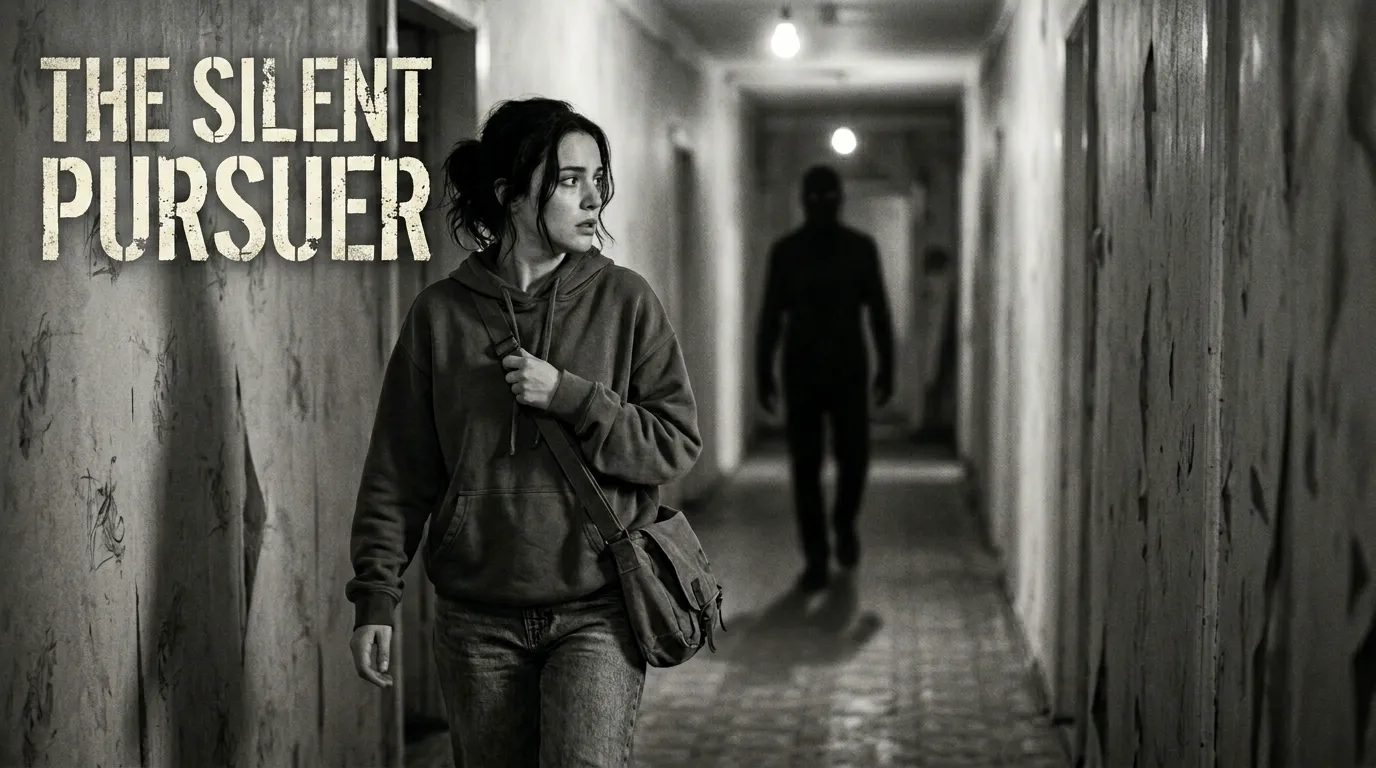
Few dreams are as unsettling as being followed by a mysterious shadow figure. You may wake up with a racing heart, a lingering sense of fear, or a strange feeling that the dream carried an important message. The darkness, the pursuit, and the unknown presence behind you often create a powerful emotional experience that stays with you long after waking.
Dreams involving shadow figures are surprisingly common. While they can feel frightening, they are often less about external danger and more about what is happening within your mind, emotions, and spiritual journey. Rather than predicting harm, these dreams frequently symbolize hidden aspects of yourself seeking attention and understanding.
By exploring dream symbolism, psychology, spirituality, and neuroscience, we can begin to understand why the shadow appears and what lessons it may be trying to reveal.
What Does It Mean to Be Followed by a Shadow Figure in a Dream?

Dreams of being followed by a shadow figure often connect to:
- Unresolved emotions
- Inner conflict
- Suppressed memories
- Fear of change
- Spiritual growth
- Personal transformation
The shadow figure typically represents something that exists beneath conscious awareness. It may symbolize feelings, desires, fears, or parts of your personality that you have ignored or rejected.
The act of being followed suggests that these hidden aspects are seeking recognition. The dream becomes a symbolic invitation to turn around and examine what you may be avoiding in waking life.
The Spiritual Symbolism of the Shadow Figure

The Hidden Self
In spiritual traditions, the shadow often represents the hidden self—the aspects of your personality that remain unseen or unacknowledged.
These may include:
- Hidden talents
- Unexpressed emotions
- Forgotten dreams
- Deep fears
- Unresolved wounds
The shadow is not necessarily negative. It contains both the parts of ourselves we dislike and the gifts we have yet to discover.
Suppressed Emotions Seeking Expression
Many shadow dreams emerge when emotions have been pushed aside for too long.
Examples include:
- Anger that has never been expressed
- Grief that has not been processed
- Shame hidden beneath confidence
- Fear masked by control
The shadow appears because the psyche seeks balance. What remains buried often finds expression through dreams.
Ego vs. Higher Self
Spiritually, the shadow can symbolize the tension between the ego and the higher self.
The ego seeks comfort, certainty, and protection. The higher self seeks growth, wisdom, and authenticity.
When a shadow figure follows you, it may represent the parts of your soul urging you toward greater self-awareness, even when that journey feels uncomfortable.
Why Being Chased Intensifies the Meaning

Being followed creates urgency.
The dream suggests that something important can no longer be ignored.
When we run from the shadow:
- We avoid emotional truth.
- We resist personal growth.
- We postpone necessary healing.
The pursuit often continues until the dreamer becomes willing to face what the shadow represents.
The faster you run in the dream, the more symbolic the resistance may be in waking life.
Freudian Interpretation of Shadow Figure Dreams
Repressed Desires and Hidden Conflicts
According to Sigmund Freud, dreams provide a pathway into the unconscious mind.
A shadow figure may represent:
- Repressed desires
- Forbidden impulses
- Internal conflicts
- Unresolved childhood experiences
Freud believed that emotions pushed out of conscious awareness do not disappear. Instead, they emerge symbolically in dreams.
Being followed by a shadow could indicate that an unresolved issue is demanding attention.
Anxiety Manifested Through Symbolism
Freud also viewed pursuit dreams as reflections of anxiety.
The shadow may symbolize a worry, fear, or emotional burden that follows you throughout daily life.
Jungian Interpretation: Meeting the Shadow Self
Carl Jung’s Shadow Concept
Among dream researchers and psychologists, Carl Jung’s interpretation is one of the most influential.
Jung described the Shadow Self as the collection of personality traits we reject, deny, or hide.
These may include:
- Anger
- Envy
- Fear
- Vulnerability
- Ambition
- Creativity
The shadow contains both darkness and untapped potential.
The Dream as an Invitation
In Jungian psychology, being followed by a shadow figure is often viewed as a call toward individuation—the process of becoming a complete and authentic person.
The dream asks:
- What am I avoiding?
- What truth am I resisting?
- What part of myself needs acceptance?
The goal is not to destroy the shadow but to integrate it.
Energy-Based and Spiritual Perspectives
Emotional Energy Blocks
Many spiritual traditions suggest that emotions carry energy.
When emotional experiences remain unresolved, energetic blockages may develop.
A shadow figure may symbolize:
- Emotional stagnation
- Unprocessed experiences
- Internal resistance
The dream becomes a signal that energy is seeking movement and release.
Chakra Imbalances
Some spiritual interpretations connect shadow dreams to chakra activity.
Possible associations include:
Root Chakra
Linked to:
- Safety
- Security
- Survival
Shadow pursuit dreams may occur when fears about stability or protection arise.
Solar Plexus Chakra
Connected to:
- Confidence
- Personal power
- Identity
The shadow may appear when self-worth struggles need attention.
Heart Chakra
Associated with:
- Love
- Compassion
- Forgiveness
Unresolved emotional pain can manifest symbolically as a pursuing shadow.
Spiritual Awakening
Paradoxically, shadow dreams sometimes increase during periods of spiritual growth.
As awareness expands, hidden aspects of the self rise to the surface.
The shadow may not be attacking you—it may be guiding you toward greater wholeness.
Personal Growth Lessons Hidden Within the Dream
Shadow figure dreams often contain valuable life lessons.
These dreams encourage:
- Greater self-awareness
- Emotional honesty
- Courageous reflection
- Acceptance of imperfections
- Personal transformation
The shadow often becomes less frightening when understood.
Growth begins when fear is replaced with curiosity.
Common Shadow Figure Dream Scenarios
Running Away from the Shadow
This is one of the most common versions.
It often suggests:
- Avoidance of difficult emotions
- Fear of confrontation
- Resistance to change
The dream highlights what may need attention in waking life.
The Shadow Never Catches You
If the figure follows endlessly without reaching you, it may indicate an ongoing issue that remains unresolved.
The problem persists because it has not yet been addressed directly.
Facing the Shadow
Turning around and confronting the figure is often a powerful dream symbol.
This can represent:
- Emotional maturity
- Increased self-awareness
- Readiness for healing
Many dreamers report feeling stronger after facing the shadow.
The Shadow Disappears
When the shadow vanishes, it often symbolizes:
- Resolution
- Acceptance
- Emotional release
- Successful integration
The dream may suggest progress in personal growth and self-understanding.
Gradual Realization vs. Sudden Fear Reactions
Gradual Realization
Sometimes the dream begins calmly.
You slowly notice:
- A presence behind you
- A feeling of being watched
- Growing awareness of pursuit
This version often reflects subconscious concerns that are gradually entering conscious awareness.
Sudden Fear Reaction
Other dreams begin with immediate terror.
The shadow appears unexpectedly, triggering panic and escape.
This may indicate:
- Acute stress
- Sudden life changes
- Emotional overwhelm
- Recent psychological challenges
The intensity reflects the urgency of the emotions being processed.
Common Causes and Triggers
Stress
Daily stress can significantly increase pursuit-related dreams.
Pressure from work, relationships, finances, or responsibilities may manifest as a chasing shadow.
Anxiety
Anxiety often creates a feeling that something threatening is always nearby.
The shadow becomes a symbolic representation of those persistent worries.
Trauma
Past traumatic experiences may reappear in symbolic dream forms.
The shadow can represent emotions, memories, or fears that have not been fully processed.
Major Life Changes
Dreams involving shadow figures frequently occur during periods of transition, such as:
- Career changes
- Relationship shifts
- Relocation
- Personal reinvention
- Spiritual exploration
Change often activates deeper psychological material.
The Scientific Explanation
REM Sleep and Emotional Processing
Most vivid dreams occur during REM (Rapid Eye Movement) sleep.
During this stage, the brain actively processes:
- Emotions
- Memories
- Experiences
- Unresolved concerns
This emotional processing can produce symbolic dream imagery such as shadow figures.
Threat Simulation Theory
Some researchers suggest that dreams help us practice responding to threats.
A pursuing shadow may function as a simulated challenge, allowing the brain to rehearse coping strategies in a safe environment.
Emotional Memory Integration
The sleeping brain works to organize emotional experiences.
Dream symbols provide a creative way for the mind to process complex feelings that may be difficult to express consciously.
Reflection and Healing Tips
Keep a Dream Journal
Write down details immediately after waking:
- Appearance of the shadow
- Emotions felt
- Actions taken
- Outcome of the dream
Patterns often emerge over time.
Practice Mindfulness
Mindfulness helps increase awareness of emotions before they become overwhelming.
Simple practices include:
- Deep breathing
- Meditation
- Body scans
- Present-moment awareness
Explore Shadow Work
Shadow work involves examining hidden aspects of yourself with honesty and compassion.
Helpful questions include:
- What emotion am I avoiding?
- What part of myself do I reject?
- What fear keeps appearing in my life?
The goal is understanding, not judgment.
Process Unresolved Emotions
Talking with a trusted friend, therapist, coach, or spiritual mentor can help uncover the deeper meaning behind recurring shadow dreams.
Embrace Self-Compassion
The shadow often softens when approached with acceptance rather than fear.
Treat yourself with patience throughout the process of self-discovery.
Frequently Asked Questions (FAQ)
Is dreaming about a shadow figure always negative?
No. Although the dream can feel frightening, it often symbolizes personal growth, emotional awareness, and transformation rather than danger.
Why does the shadow keep following me?
The dream may suggest that an unresolved emotion, fear, memory, or aspect of yourself is seeking acknowledgment.
What if the shadow never catches me?
This often indicates an issue that remains active in your life but has not yet been fully addressed.
What does it mean if I face the shadow?
Facing the shadow generally symbolizes courage, self-awareness, healing, and readiness to confront inner challenges.
Can stress cause shadow figure dreams?
Yes. High levels of stress and anxiety are common triggers for dreams involving pursuit and threatening figures.
Are shadow figure dreams connected to spiritual awakening?
Some spiritual traditions believe they can occur during periods of increased self-awareness and spiritual transformation.
What does a disappearing shadow mean?
A disappearing shadow often symbolizes resolution, acceptance, emotional release, or successful integration of hidden aspects of the self.
Should I be worried about recurring shadow dreams?
Recurring dreams usually indicate a theme your mind continues to process. They are often invitations for reflection rather than warnings of harm.
Conclusion
Being followed by a shadow figure in a dream can be unsettling, but beneath the fear often lies a powerful message. The shadow represents hidden emotions, overlooked truths, and aspects of yourself waiting to be understood. Whether viewed through spirituality, psychology, or neuroscience, the dream points toward awareness rather than danger.
The pursuit symbolizes what seeks recognition, healing, and integration. By approaching these dreams with curiosity instead of fear, you may discover valuable insights about your emotions, personal growth, and spiritual journey. Sometimes the greatest transformation begins when you stop running and choose to face the shadow with understanding and compassion.