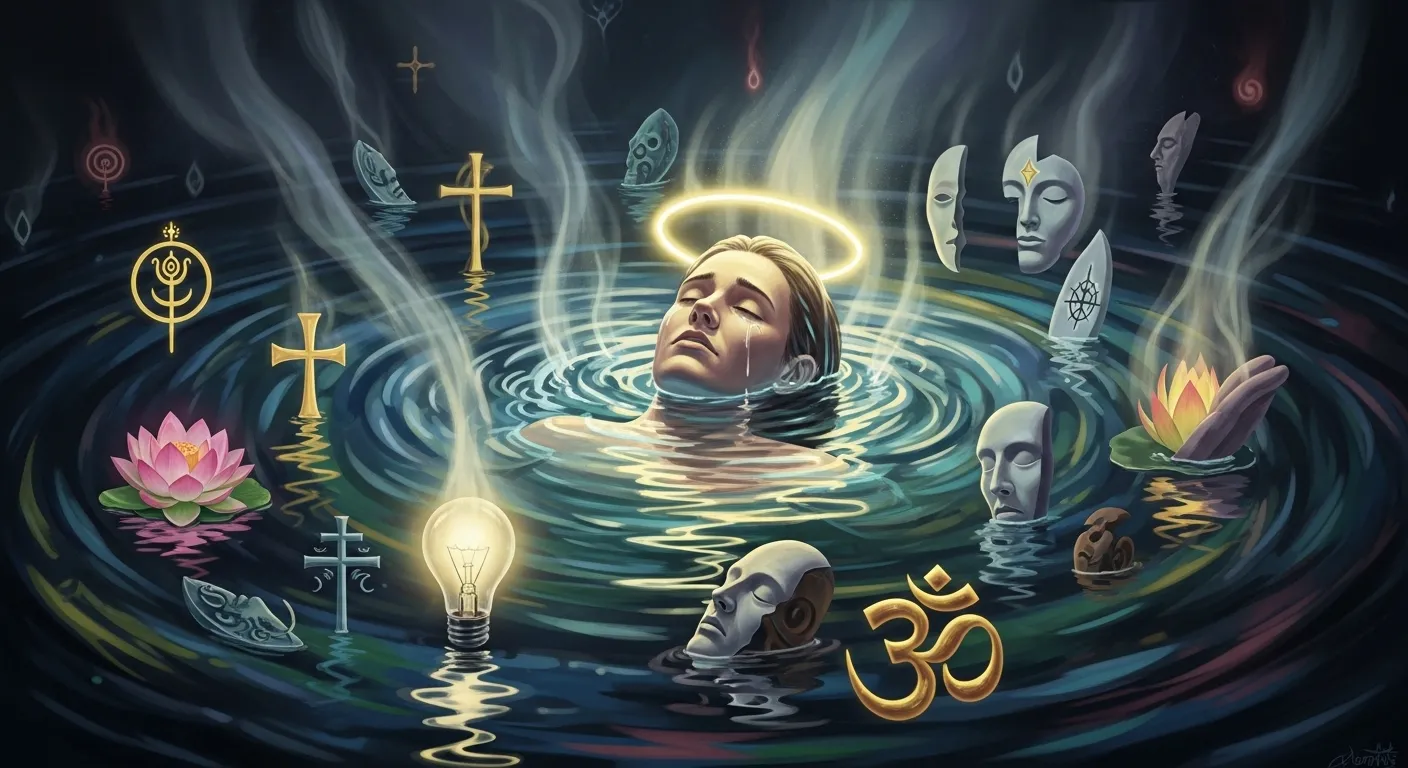
Drowning in a Dream: Spiritual Meaning, Psychology, and Emotional Symbolism

Dreams about drowning can feel terrifying, emotional, and deeply personal. You wake up gasping for air, heart racing, wondering why your mind created such an intense experience. For many people, a drowning dream lingers long after waking because it touches something deeper than ordinary fear.

These dreams are often connected to overwhelming emotions, inner struggles, or a feeling of losing control in waking life. Sometimes they reflect stress and anxiety. Other times, they carry powerful spiritual symbolism tied to transformation, emotional healing, or suppressed feelings rising to the surface.

While drowning dreams can seem frightening, they are not always negative. In many spiritual and psychological traditions, water represents the unconscious mind, emotions, intuition, and spiritual awareness. Drowning in that water may symbolize being consumed by emotions you have not fully processed.

Understanding the deeper meaning behind these dreams can help you uncover emotional truths, release hidden tension, and reconnect with yourself on a deeper level.


What Does Drowning in a Dream Mean?

At its core, a drowning dream often symbolizes feeling emotionally overwhelmed. You may be struggling with stress, fear, sadness, guilt, or uncertainty in your waking life.

Common emotional themes linked to drowning dreams include:

  • Feeling trapped in responsibilities
  • Emotional burnout
  • Fear of failure
  • Relationship struggles
  • Anxiety about the future
  • Loss of control
  • Unexpressed emotions
  • Major life changes

Because water is strongly connected to emotions and the subconscious mind, drowning often reflects the sensation of being “pulled under” emotionally.

However, the meaning can change depending on the details of the dream:

  • Calm water may symbolize emotional surrender or spiritual cleansing
  • Stormy water may reflect chaos or emotional conflict
  • Being rescued can symbolize hope and support
  • Watching someone else drown may point to helplessness or emotional distance

The emotional tone of the dream matters just as much as the events themselves.


The Spiritual Symbolism of Drowning Dreams

Spiritually, drowning dreams are often connected to transformation, ego dissolution, and emotional awakening.

Water has long symbolized purification, rebirth, intuition, and spiritual depth across many cultures and traditions. To drown spiritually may symbolize the end of an old version of yourself.

Hidden Emotions Rising to the Surface

One of the strongest spiritual interpretations involves suppressed emotions. You may have been avoiding difficult feelings, and your subconscious is now forcing you to confront them.

These emotions can include:

  • Grief
  • Anger
  • Shame
  • Fear
  • Loneliness
  • Emotional exhaustion

The dream becomes a symbolic release valve for emotions you have buried too deeply.

Ego vs Higher Self

Spiritually, drowning can also represent a conflict between the ego and the higher self.

The ego seeks control, security, and predictability. The higher self pushes toward truth, healing, and growth. A drowning dream may appear during periods when your identity, beliefs, or emotional patterns are changing rapidly.

In this sense, the dream symbolizes spiritual surrender rather than literal danger.

Spiritual Awakening and Emotional Cleansing

Some people experience drowning dreams during periods of spiritual awakening. Emotional healing can feel overwhelming because old emotional wounds begin surfacing all at once.

The dream may symbolize:

  • Emotional detoxification
  • Letting go of old pain
  • Deep subconscious healing
  • Transition into a new life phase
  • Awakening intuition

Although emotionally intense, these dreams can mark the beginning of inner transformation.


Freudian Interpretation of Drowning Dreams

According to Sigmund Freud, dreams often reflect hidden desires, fears, and repressed emotions.

From a Freudian perspective, drowning may symbolize:

  • Emotional repression
  • Unresolved childhood experiences
  • Fear of losing control
  • Anxiety connected to relationships or dependency

Freud believed water represented the unconscious mind and deeply buried emotional material. Drowning could therefore symbolize being overtaken by feelings or instincts the conscious mind struggles to manage.

For example, someone suppressing anger or grief may dream of sinking underwater because those emotions are becoming impossible to contain.


Jungian Interpretation of Drowning Dreams

Carl Jung viewed dreams differently. He believed dreams were messages from the unconscious designed to promote psychological balance and self-awareness.

In Jungian psychology, water symbolizes the unconscious mind. Drowning represents immersion into deeper emotional or spiritual territory.

Encountering the Shadow Self

Jung introduced the concept of the shadow self — the hidden part of the personality containing rejected emotions, fears, desires, and traits.

A drowning dream may indicate:

  • You are confronting denied emotions
  • Your unconscious mind wants acknowledgment
  • Inner transformation is taking place
  • Emotional truths can no longer be ignored

Unlike Freud, Jung did not see these dreams purely as signs of dysfunction. Instead, they were opportunities for growth and integration.

Drowning may symbolize the painful but necessary process of facing hidden parts of yourself.


Energy and Chakra Interpretations

From an energy-based perspective, drowning dreams may reflect blocked emotional energy.

Heart Chakra Imbalance

The heart chakra governs emotional openness, compassion, love, and healing. Emotional overwhelm or heartbreak may create energetic imbalance that appears symbolically in dreams.

Signs connected to heart chakra imbalance include:

  • Emotional numbness
  • Fear of vulnerability
  • Difficulty trusting others
  • Lingering sadness

Throat Chakra Suppression

If you struggle to express emotions honestly, the throat chakra may also play a role. Suppressed communication can create emotional pressure that surfaces in symbolic dream imagery.

Emotional Energy Overflow

Drowning dreams may also occur when emotional energy becomes too intense to process consciously. The subconscious mind uses water imagery to communicate emotional overload.

This does not necessarily mean something bad will happen. Instead, it may be a signal that emotional balance needs attention.


Personal Growth Lessons Hidden in Drowning Dreams

Although frightening, drowning dreams often contain important lessons.

Learning Emotional Awareness

These dreams encourage emotional honesty. They ask you to notice feelings you may have ignored.

Questions to reflect on include:

  • What emotions am I avoiding?
  • Where do I feel overwhelmed?
  • What situation feels out of control?
  • What am I struggling to release?

Letting Go of Resistance

Sometimes the dream reflects resistance to change. Life transitions can feel emotionally destabilizing, even when positive.

The dream may encourage you to:

  • Accept uncertainty
  • Release emotional baggage
  • Stop suppressing feelings
  • Trust personal growth

Developing Inner Strength

Surviving or escaping drowning in a dream often symbolizes resilience. It suggests that even during emotional difficulty, your mind recognizes your ability to endure and heal.


Common Drowning Dream Scenarios and Their Meanings

Dreaming of Drowning Alone

This often reflects emotional isolation or feeling unsupported in waking life. You may feel overwhelmed by responsibilities or personal struggles.

Watching Someone Else Drown

This can symbolize helplessness, emotional distance, or concern for another person’s wellbeing.

Sometimes it reflects guilt about being unable to “save” someone emotionally.

Drowning in Deep Ocean Water

Deep ocean water often symbolizes the vast unconscious mind. This dream may point to hidden emotions, spiritual transformation, or fear of the unknown.

Drowning in Dirty or Murky Water

Murky water usually represents confusion, unresolved emotional pain, or emotional toxicity.

The dream may suggest emotional clarity is needed.

Being Rescued from Drowning

This is often a hopeful sign. It may symbolize emotional support, healing, or the realization that help is available.

Surviving Drowning

Survival often symbolizes emotional recovery, resilience, and personal growth after hardship.


Gradual Realization vs Sudden Fear in Drowning Dreams

Not all drowning dreams feel the same emotionally.

Gradual Realization Dreams

In some dreams, drowning happens slowly. You become aware you are sinking, but the fear builds gradually.

These dreams often reflect:

  • Long-term emotional burnout
  • Ongoing stress
  • Slowly increasing anxiety
  • Emotional exhaustion

The emotional message develops over time, much like the waking-life situation itself.

Sudden Panic Dreams

Other drowning dreams feel immediate and terrifying.

These may reflect:

  • Acute stress
  • Panic attacks
  • Sudden life changes
  • Emotional shock
  • Fear of losing control

The abrupt fear mirrors sudden emotional overwhelm in waking life.


Causes and Triggers of Drowning Dreams

Drowning dreams are commonly triggered by emotional or psychological pressure.

Stress and Anxiety

Heavy workloads, financial pressure, relationship problems, or uncertainty can create emotional overload that appears in dreams.

Trauma and Emotional Pain

Past trauma may resurface symbolically during sleep. The dream becomes a safe psychological space for processing unresolved emotions.

Major Life Changes

Big transitions often trigger emotionally intense dreams, including:

  • Divorce
  • Career changes
  • Moving
  • Loss
  • Parenthood
  • Identity shifts

Emotional Suppression

People who avoid discussing feelings may experience stronger emotional symbolism during dreams because the subconscious seeks expression.


The Neuroscience Behind Drowning Dreams

Science also offers insight into why drowning dreams happen.

During REM sleep, the brain becomes highly active while processing emotions, memories, and experiences. This stage of sleep is strongly associated with vivid dreams.

Researchers believe dreams may help with:

  • Emotional regulation
  • Memory processing
  • Threat simulation
  • Stress adaptation

Threat Simulation Theory

One scientific theory suggests dreams act as practice scenarios for survival threats. A drowning dream may therefore simulate danger so the brain can rehearse emotional responses.

Emotional Processing During Sleep

The amygdala — the brain region involved in fear and emotion — remains active during REM sleep. This may explain why drowning dreams feel emotionally intense and realistic.

In many cases, the dream reflects emotional processing rather than prediction.


Reflection and Healing Tips After a Drowning Dream

Drowning dreams can become valuable tools for self-awareness and healing.

Keep a Dream Journal

Write down:

  • The emotions you felt
  • The type of water
  • Who was present
  • How the dream ended

Patterns may emerge over time.

Practice Mindfulness

Mindfulness helps reduce emotional overwhelm by grounding attention in the present moment.

Simple techniques include:

  • Deep breathing
  • Meditation
  • Body scanning
  • Quiet reflection

Explore Shadow Work

Shadow work involves examining hidden emotions and unconscious patterns.

Helpful prompts include:

  • What emotions do I avoid?
  • What part of myself feels ignored?
  • What fear keeps resurfacing?

Allow Emotional Expression

Healthy emotional release matters. Talking with trusted people, creating art, or seeking therapy can reduce emotional pressure.

Improve Sleep and Stress Management

Reducing stress often decreases emotionally intense dreams.

Helpful habits include:

  • Regular sleep schedules
  • Limiting screen time before bed
  • Relaxation exercises
  • Physical activity

Frequently Asked Questions About Drowning Dreams

Is dreaming about drowning a bad omen?

Usually no. Drowning dreams are more commonly linked to emotional overwhelm, stress, or personal transformation rather than literal prediction.

What does it mean spiritually to drown in a dream?

Spiritually, drowning may symbolize emotional cleansing, surrender, transformation, or the release of suppressed emotions.

Why do drowning dreams feel so real?

During REM sleep, emotional centers in the brain remain highly active, making dreams feel vivid and emotionally intense.

Does drowning in a dream mean anxiety?

It can. Anxiety, stress, and emotional overload are among the most common causes of drowning dreams.

What if I survive the drowning in my dream?

Survival often symbolizes resilience, healing, and the ability to overcome emotional challenges.

Why do I keep having drowning dreams repeatedly?

Recurring dreams usually point to unresolved emotional issues or ongoing stress that the subconscious mind continues trying to process.

Can drowning dreams relate to trauma?

Yes. Emotional trauma and unresolved pain can appear symbolically in dreams involving water, fear, or loss of control.

Should I worry about drowning dreams?

Occasional drowning dreams are common. However, if recurring nightmares severely affect sleep or emotional wellbeing, speaking with a mental health professional may help.


Final Thoughts

Dreams about drowning can feel deeply unsettling, but they often carry meaningful emotional and spiritual messages. Rather than predicting danger, these dreams usually reflect inner emotional states, unresolved feelings, or periods of transformation.

Your subconscious mind may be asking you to slow down, acknowledge emotional pressure, and reconnect with parts of yourself that need healing.

Instead of fearing the dream, consider listening to it with curiosity and compassion.

Sometimes the water in dreams is not there to destroy you — it is there to reveal what has been hidden beneath the surface all along.

Leave a Comment