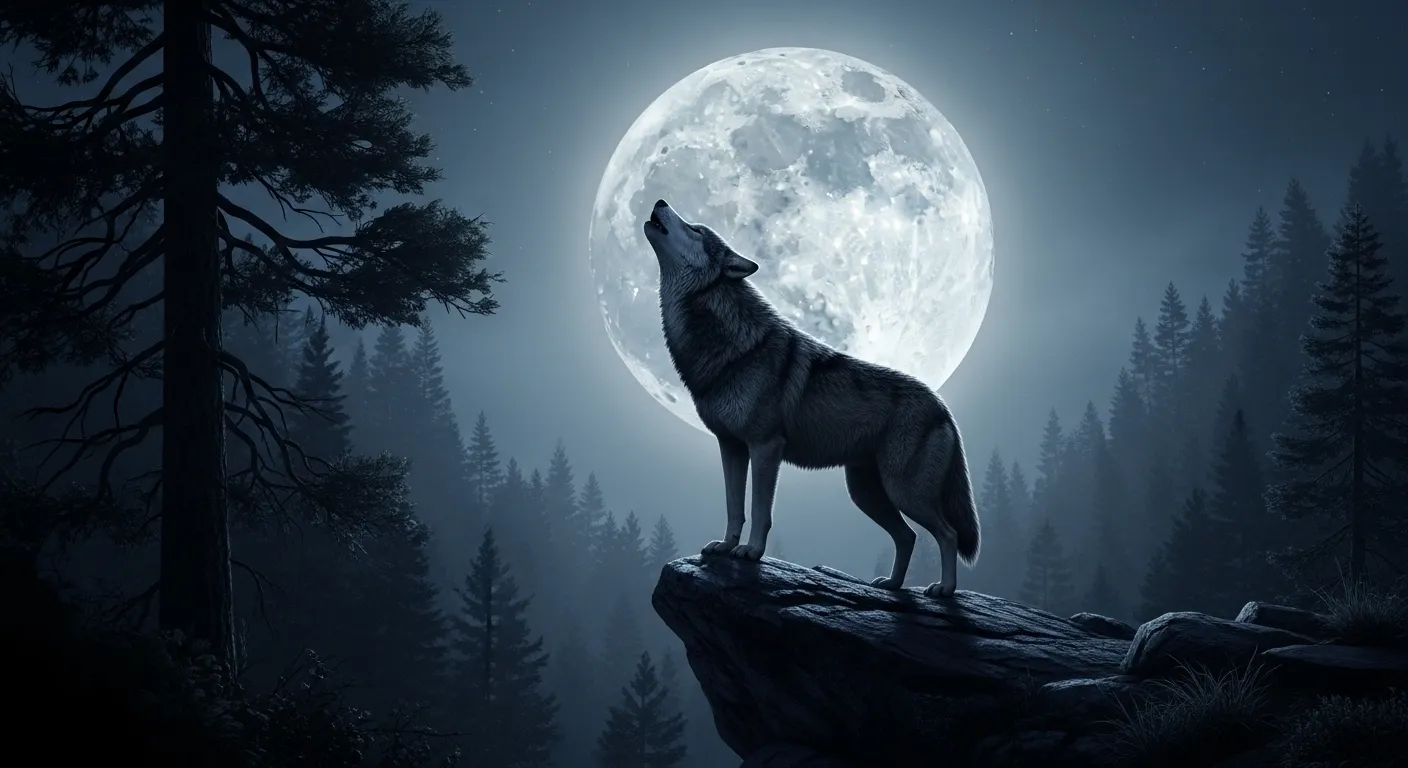
Dreams about wolves can feel powerful, mysterious, and deeply emotional. Maybe the wolf was watching you from a distance. Maybe it was chasing you through a dark forest. Or perhaps it stood beside you calmly, almost like a guide.
No matter the scenario, a wolf dream often leaves a lasting impression.
For many people, wolves in dreams symbolize instinct, survival, hidden emotions, spiritual awakening, fear, independence, or inner strength. The meaning usually depends on how the wolf behaved and how you felt during the dream.
A peaceful wolf may represent wisdom and protection. An aggressive wolf could point to emotional conflict, fear, betrayal, or parts of yourself you have been avoiding.
In both psychology and spirituality, the wolf is considered a symbol of the untamed self — the part of you that operates beyond logic and social masks. That is why wolf dreams often appear during periods of stress, transformation, emotional confusion, or personal growth.
The Deeper Meaning of Wolf Dreams
At its core, a wolf dream is usually connected to your relationship with:
- Your instincts
- Your emotions
- Your personal power
- Trust and protection
- Fear or vulnerability
- Spiritual awareness
Wolves are highly intelligent and emotional animals. In dreams, they often reflect what is happening beneath the surface of your conscious mind.
If you are going through major life changes, emotional struggles, relationship issues, or spiritual questioning, your subconscious may use the image of a wolf to communicate important truths.
A wolf can represent both:
- Danger and fear
- Wisdom and guidance
That duality is what makes wolf dreams so emotionally intense.
Spiritual Meaning of a Wolf in a Dream
Spiritually, wolves are often associated with:
- Intuition
- Inner wisdom
- Spiritual protection
- Freedom
- Shadow work
- Transformation
Many spiritual traditions see the wolf as a guide between the physical and spiritual worlds.
If a wolf appears in your dream, it may symbolize a call to reconnect with your authentic self instead of hiding behind fear, people-pleasing, or emotional suppression.
The Wolf as the Shadow Self
In spiritual symbolism, the wolf can represent the shadow self — the hidden side of your personality that contains:
- Repressed emotions
- Anger
- Fear
- Jealousy
- Unhealed wounds
- Untapped power
The shadow is not necessarily “bad.” It is simply the part of yourself you may not fully acknowledge.
Dreaming of a wolf can mean your subconscious is encouraging you to face emotions or truths you have ignored.
For example:
- A growling wolf may symbolize buried anger.
- A lonely wolf could reflect emotional isolation.
- A wounded wolf may represent emotional pain that needs healing.
Why Being Chased by a Wolf Feels So Intense
Dreams about being chased are emotionally overwhelming because they activate deep survival instincts.
If a wolf is chasing you in a dream, it often symbolizes:
- Avoided emotions
- Fear of confrontation
- Anxiety about change
- Emotional pressure
- A truth you do not want to face
The chase intensifies the symbolism because it shows the issue is becoming impossible to ignore.
Spiritually, this type of dream may mean your inner self is demanding attention. Something inside you wants healing, acknowledgment, or transformation.
The faster you run in the dream, the more it may reflect resistance in waking life.
Psychological Meaning of Wolf Dreams
Psychologists often interpret dream symbols as reflections of unconscious thoughts and emotions.
A wolf dream may represent instinctive behavior, emotional tension, trust issues, or hidden fears.
Freudian Interpretation
According to Sigmund Freud, dreams are expressions of suppressed desires and unresolved emotional conflicts.
From a Freudian perspective, a wolf may symbolize:
- Repressed aggression
- Sexual tension
- Fear of authority
- Rudimentary instincts
- Anxiety hidden beneath consciousness
If the wolf feels threatening, Freud might suggest the dream reflects inner conflict between social control and instinctual urges.
Jungian Interpretation
Carl Jung viewed dream symbols differently. He believed dreams reveal archetypes and guide personal growth.
In Jungian psychology, the wolf often represents:
- The shadow self
- Wild intuition
- Inner power
- Transformation
- Spiritual instinct
Jung believed healing begins when people stop running from their shadow and integrate hidden parts of themselves.
A wolf dream may therefore symbolize an invitation toward emotional wholeness.
Energy and Spiritual Awakening Interpretations
Some spiritual and energy-based traditions believe wolf dreams reflect changes in emotional or energetic balance.
Emotional Blocks and Energy
A wolf appearing aggressively in a dream may indicate blocked emotional energy connected to:
- Fear
- Shame
- Anger
- Grief
- Self-doubt
The dream may emerge when emotions remain unprocessed for too long.
Chakras and Wolf Symbolism
Certain spiritual interpretations connect wolf dreams to chakra imbalances.
Root Chakra
The root chakra is linked to survival, safety, grounding, and fear.
An aggressive wolf dream may suggest:
- Financial insecurity
- Emotional instability
- Fear of losing control
Heart Chakra
A wounded or lonely wolf may reflect:
- Emotional pain
- Trust issues
- Difficulty opening emotionally
Third Eye Chakra
A calm or guiding wolf may symbolize:
- Heightened intuition
- Spiritual awareness
- Inner wisdom awakening
Wolf Dreams and Spiritual Awakening
People often report vivid wolf dreams during periods of:
- Emotional healing
- Identity shifts
- Spiritual awakening
- Life transitions
- Deep introspection
The wolf may appear as a reminder to trust your instincts rather than external approval.
Spiritually, the dream may signal:
- A transition into greater self-awareness
- Awakening intuition
- Reconnecting with your authentic nature
Personal Growth Lessons Hidden in Wolf Dreams
Wolf dreams often contain important emotional lessons.
These dreams may encourage you to:
- Face fears honestly
- Trust your intuition
- Stop suppressing emotions
- Set healthy boundaries
- Embrace independence
- Heal emotional wounds
- Reconnect with your authentic identity
A wolf dream can feel frightening, but it may actually be guiding you toward emotional freedom and self-understanding.
Common Wolf Dream Scenarios and Their Meanings
Dreaming of Running From a Wolf
This usually symbolizes avoidance.
You may be:
- Escaping emotional pain
- Avoiding confrontation
- Ignoring difficult truths
- Feeling overwhelmed by stress
The dream reflects emotional pressure building beneath the surface.
Dreaming of a Wolf Chasing You But Never Catching You
This often represents unresolved anxiety.
The issue continues following you because it has not been fully addressed.
Emotionally, this dream can symbolize:
- Chronic stress
- Lingering guilt
- Emotional avoidance
- Fear of failure
It may also show that your subconscious knows healing is possible, but you are not ready yet.
Dreaming of Facing the Wolf
Facing the wolf is usually a powerful sign of growth.
This dream may symbolize:
- Courage
- Emotional healing
- Self-acceptance
- Inner transformation
Instead of running from fear, you are beginning to confront it directly.
This is often associated with emotional maturity and spiritual progress.
Dreaming of the Wolf Disappearing
If the wolf suddenly disappears, the meaning can vary.
It may indicate:
- A fear losing power over you
- Emotional release
- Avoidance ending temporarily
- Inner peace developing
Sometimes the disappearing wolf symbolizes successful emotional integration — meaning the conflict no longer needs to chase you.
Gradual Realization vs Sudden Fear in Wolf Dreams
Not all wolf dreams feel equally intense.
Some unfold slowly, while others create immediate panic.
Gradual Realization Dreams
In these dreams:
- The wolf appears slowly
- Fear builds gradually
- You become aware of emotional tension over time
This may symbolize growing awareness of emotional truths in waking life.
Your subconscious is helping you process emotions gently.
Sudden Fear Dreams
These dreams feel immediate and overwhelming.
You may suddenly:
- Be attacked
- Freeze in fear
- Wake up panicked
These dreams are often connected to:
- Acute stress
- Anxiety
- Trauma
- Emotional overload
The sudden intensity reflects how emotionally urgent the situation feels internally.
What Causes Wolf Dreams?
Wolf dreams can be triggered by emotional, psychological, or spiritual factors.
Stress and Anxiety
High stress levels commonly trigger chase dreams and survival-based imagery.
Your brain may use the wolf as a symbol of emotional pressure or fear.
Trauma or Emotional Pain
Past emotional wounds can reappear symbolically through threatening dream figures like wolves.
This is especially true if:
- You feel emotionally unsafe
- You struggle with trust
- You suppress painful memories
Major Life Changes
Wolf dreams frequently occur during:
- Breakups
- Career changes
- Relocation
- Identity shifts
- Spiritual questioning
The subconscious often becomes more active during uncertainty.
Loneliness or Isolation
Because wolves are social animals, dreaming of a lone wolf can sometimes reflect:
- Emotional isolation
- Independence struggles
- Feeling misunderstood
The Science Behind Wolf Dreams
From a neuroscience perspective, dreams are connected to emotional processing during sleep.
REM Sleep and Emotional Processing
Most vivid dreams occur during REM sleep (Rapid Eye Movement sleep).
During this stage:
- The brain processes emotions
- Memory consolidation occurs
- Emotional experiences are reviewed
Fear-based dreams may help the brain rehearse survival responses.
Threat Simulation Theory
Some researchers believe dreams act as a “threat simulator.”
In this theory:
- Chase dreams help prepare the brain for danger
- Emotional reactions are practiced safely during sleep
- The subconscious processes unresolved fears symbolically
A wolf chasing you may therefore reflect the brain’s attempt to process emotional stress or perceived danger.
Reflection and Healing Tips After a Wolf Dream
Instead of fearing the dream, try approaching it with curiosity.
1. Journal the Dream
Write down:
- What the wolf looked like
- How you felt
- What happened in the dream
- What emotions remained after waking
Patterns often emerge over time.
2. Practice Mindfulness
Mindfulness helps reduce emotional overwhelm and improves awareness of suppressed feelings.
Simple practices include:
- Deep breathing
- Meditation
- Body awareness
- Quiet reflection
3. Explore Shadow Work
Shadow work involves examining hidden emotions and unconscious behaviors.
Ask yourself:
- What emotion am I avoiding?
- What fear keeps repeating in my life?
- What part of myself do I reject?
4. Pay Attention to Intuition
A wolf dream may encourage deeper trust in your instincts.
Consider:
- Where am I ignoring my intuition?
- What situation feels emotionally unsafe?
- What truth am I resisting?
Frequently Asked Questions
Is dreaming about a wolf good or bad?
It depends on the dream’s emotional tone. A calm wolf may symbolize wisdom and protection, while an aggressive wolf may reflect fear, stress, or emotional conflict.
What does a black wolf mean in a dream?
A black wolf often symbolizes the shadow self, hidden fears, mystery, or deep unconscious emotions.
Why do I keep dreaming about wolves chasing me?
Recurring chase dreams usually suggest unresolved emotional stress, anxiety, or avoidance of an important issue.
What does a friendly wolf mean spiritually?
Spiritually, a friendly wolf may symbolize guidance, intuition, spiritual protection, and connection to your authentic self.
Can wolf dreams predict danger?
Most dream experts view wolf dreams as symbolic rather than literal predictions. They typically reflect emotional or psychological states.
What does killing a wolf in a dream mean?
This may symbolize overcoming fear, suppressing instincts, ending emotional conflict, or regaining personal control.
Why are wolf dreams so vivid?
Wolf dreams often activate strong emotional and survival instincts, making them feel intense and memorable.
Are wolf dreams connected to anxiety?
Yes. Stress and anxiety frequently influence emotionally charged dreams involving pursuit, danger, or survival.
Final Thoughts
Dreams about wolves are rarely random.
Whether the wolf appears as a threat, protector, guide, or mystery, it often reflects something deeply emotional happening within you.
These dreams may reveal:
- Hidden fears
- Emotional wounds
- Spiritual awakening
- Intuition
- Personal transformation
The wolf invites you to look inward instead of running away.
Sometimes the dream is not asking you to fight the wolf.
Sometimes it is asking you to understand it.