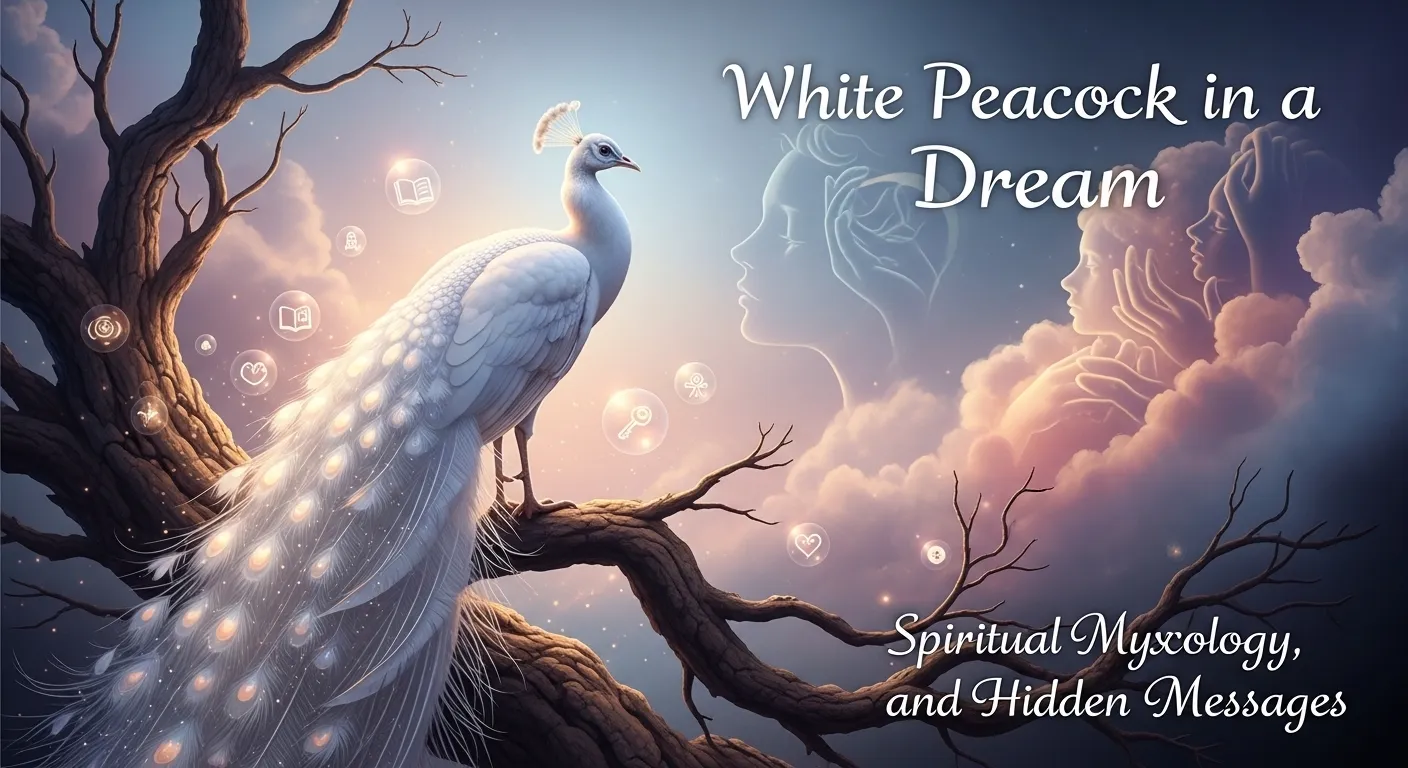
White Peacock in a Dream: Spiritual Meaning, Psychology, and Hidden Messages

Dreams often leave behind emotions that stay with us long after we wake up. A dream about a white peacock can feel magical, mysterious, peaceful, or even unsettling. Unlike ordinary dreams, this symbol tends to carry a deep emotional and spiritual weight. Many people wake up wondering why such a rare and beautiful creature appeared in their subconscious mind.

A white peacock in a dream is usually connected to purity, transformation, hidden emotions, spiritual awakening, pride, and inner truth. Because white peacocks are uncommon in real life, seeing one in a dream often signals that your mind is trying to draw attention to something important within you.

For some, the dream reflects healing and personal growth. For others, it reveals emotional conflict, ego struggles, or a desire for recognition. The meaning depends heavily on the emotions felt during the dream and the events happening in waking life.

In spiritual traditions, psychology, and neuroscience, dreams are often viewed as bridges between the conscious and unconscious mind. A white peacock dream may symbolize your hidden self, emotional awakening, or the need to balance confidence with humility.


What Does a White Peacock in a Dream Mean?

At its core, a white peacock dream symbolizes:

  • Spiritual purity
  • Inner transformation
  • Beauty hidden within
  • Emotional awakening
  • Self-worth and confidence
  • Higher consciousness
  • Ego and identity struggles

The color white often represents peace, innocence, healing, and divine energy, while the peacock itself symbolizes pride, beauty, wisdom, and self-expression.

Together, the white peacock becomes a powerful symbol of the soul seeking balance between outer appearance and inner truth.

Sometimes the dream is encouraging you to embrace your gifts. Other times, it warns against vanity, emotional suppression, or ignoring your authentic self.


The Spiritual Symbolism of the White Peacock

Purity and Spiritual Awakening

A white peacock is widely associated with spiritual enlightenment. In dreams, it can symbolize a period where your spirit is evolving beyond old fears and emotional wounds.

You may be entering a phase of:

  • Emotional healing
  • Greater self-awareness
  • Spiritual curiosity
  • Inner peace
  • Intuitive growth

The dream may appear during moments when you are questioning your purpose, relationships, or identity.

Unlike colorful peacocks that symbolize outward attention, the white peacock often points toward inner wisdom rather than external validation.


The Hidden Self and Suppressed Emotions

Dreams frequently reveal parts of ourselves that we hide during waking life. The white peacock may represent your shadow self — the hidden emotional side that wants recognition and healing.

This hidden self can include:

  • Unspoken emotions
  • Fear of judgment
  • Buried grief
  • Hidden talents
  • Pride or insecurity
  • Emotional vulnerability

Many people suppress emotions to appear strong or successful. The dream reminds you that true peace comes from accepting all parts of yourself, including the uncomfortable ones.


Ego vs Higher Self

Peacocks naturally symbolize pride and self-image. A white peacock adds a spiritual layer, asking whether your actions are guided by:

  • The ego — fear, validation, control, status
  • The higher self — truth, compassion, wisdom, balance

If the bird appeared calm and graceful, the dream may suggest alignment with your higher self. If it felt intimidating or overwhelming, there may be inner conflict between your authentic identity and the image you present to others.


Psychological Meaning of a White Peacock Dream

Freudian Interpretation

According to Sigmund Freud, dreams often reflect hidden desires, emotional repression, or unresolved conflicts.

From a Freudian perspective, the white peacock may symbolize:

  • A desire for admiration
  • Hidden emotional needs
  • Repressed confidence
  • Fear of rejection
  • Sexual or emotional expression

Freud believed dream symbols frequently disguise emotions the conscious mind avoids. A white peacock may therefore represent the dreamer’s wish to feel recognized, appreciated, or emotionally validated.


Jungian Interpretation

Carl Jung viewed dreams differently. He believed dream symbols connect us to the collective unconscious and deeper spiritual truths.

In Jungian psychology, the white peacock can symbolize:

  • The process of individuation
  • Transformation of the self
  • Spiritual rebirth
  • Integration of the shadow self
  • Awakening of higher consciousness

Jung would likely interpret the white peacock as a symbol of the soul evolving toward wholeness. The dream may appear when someone is beginning to accept previously rejected parts of themselves.

The rare white color suggests uniqueness and spiritual elevation.


Emotional and Energy-Based Interpretations

Emotional Blocks

A white peacock dream may appear when emotions are trapped beneath the surface.

Common emotional blocks linked to this dream include:

  • Fear of expressing yourself
  • Shame or guilt
  • Feeling unseen
  • Fear of failure
  • Fear of success
  • Emotional exhaustion

The dream acts as a message that these emotions need attention before healing can occur.


Chakra Connections

Spiritually, the white peacock is often associated with higher energy centers, especially:

Crown Chakra

Connected to:

  • Spiritual awareness
  • Divine connection
  • Enlightenment

Throat Chakra

Connected to:

  • Self-expression
  • Truth
  • Communication

If the peacock was displaying its feathers, the dream may symbolize a need to speak your truth openly and confidently.


Spiritual Awakening

Many people report white peacock dreams during major life transitions or spiritual awakenings.

Possible signs include:

  • Feeling emotionally sensitive
  • Increased intuition
  • Desire for deeper meaning
  • Sudden life changes
  • Pull toward meditation or healing practices

The dream may signal that your inner self is becoming more aware of emotional and spiritual truths.


Common White Peacock Dream Scenarios

Seeing a Calm White Peacock

This is usually a positive sign. It suggests:

  • Inner peace
  • Wisdom
  • Emotional clarity
  • Spiritual growth

The dream may reflect growing confidence without arrogance.


A White Peacock Staring at You

This scenario often feels intense.

It may symbolize:

  • Self-reflection
  • Awareness of hidden emotions
  • A call to face your authentic self

The dream asks what truths you may be avoiding.


A Flying White Peacock

Flying dreams often symbolize freedom and transformation.

A flying white peacock may represent:

  • Breaking emotional limitations
  • Spiritual elevation
  • Personal liberation
  • Escaping old patterns

A White Peacock Attacking You

An aggressive peacock may symbolize:

  • Ego conflict
  • Fear of criticism
  • Emotional defensiveness
  • Internal insecurity hidden behind confidence

This dream can appear when pride prevents emotional honesty.


A White Peacock Losing Feathers

This dream may reflect:

  • Vulnerability
  • Loss of confidence
  • Fear of judgment
  • Identity changes

At the same time, it can symbolize shedding false identities and becoming more authentic.


Gradual Realization vs Sudden Fear in the Dream

Not all white peacock dreams feel the same emotionally.

Gradual Realization Dreams

These dreams often feel calm, mysterious, or enlightening.

They may involve:

  • Quiet observation
  • Gentle emotional awareness
  • Spiritual insight
  • Slow transformation

These dreams suggest emotional maturity and growing self-understanding.


Sudden Fear or Intense Emotional Reactions

Some dreams feel overwhelming or frightening.

You may experience:

  • Panic
  • Anxiety
  • Feeling watched
  • Emotional pressure

This usually happens when the subconscious is pushing unresolved emotions to the surface quickly.

The stronger the emotional reaction, the more urgent the inner conflict may be.


Causes and Triggers Behind White Peacock Dreams

Stress and Anxiety

Dreams become more vivid during stressful periods. A white peacock may appear when your mind is processing emotional overload or identity-related pressure.


Major Life Changes

These dreams are common during:

  • Career transitions
  • Relationship changes
  • Personal reinvention
  • Spiritual exploration
  • Emotional healing journeys

Trauma and Emotional Suppression

People who hide emotions for long periods may experience symbolic dreams involving rare or striking animals.

The white peacock becomes a representation of emotions that want acknowledgment and release.


Desire for Recognition

Sometimes the dream simply reflects a deep human need:

  • To feel valued
  • To be understood
  • To express individuality
  • To embrace self-worth

The Scientific Explanation Behind the Dream

From a neuroscience perspective, dreams occur primarily during REM sleep (Rapid Eye Movement sleep), when the brain becomes highly active.

During REM sleep, the brain:

  • Processes emotions
  • Organizes memories
  • Simulates threats
  • Integrates experiences
  • Regulates emotional responses

This is known as the threat simulation theory and emotional processing function of dreams.

The brain often uses powerful symbols — such as a rare white peacock — because emotional imagery is easier for the subconscious mind to understand than direct language.

The dream may therefore reflect your brain attempting to process:

  • Emotional conflict
  • Identity questions
  • Stress responses
  • Personal transformation

Personal Growth Lessons From the Dream

A white peacock dream often carries lessons about emotional honesty and self-awareness.

Key lessons may include:

Embrace Your Authentic Self

You do not need to hide your gifts, emotions, or uniqueness to be accepted.


Balance Confidence With Humility

Healthy confidence is different from ego-driven validation.


Face Hidden Emotions

Healing begins when suppressed emotions are acknowledged rather than avoided.


Trust Inner Transformation

Growth can feel uncomfortable, but emotional evolution often leads to greater peace and clarity.


Reflection and Healing Tips

Journaling

Write down:

  • The emotions felt in the dream
  • Colors, settings, and symbols
  • Your current life stresses
  • Recurring themes

Dream journaling helps uncover subconscious patterns.


Mindfulness and Meditation

Mindfulness helps calm emotional noise and improves awareness of hidden feelings.

Simple breathing exercises before sleep may also reduce emotionally intense dreams.


Shadow Work

Shadow work involves exploring the parts of yourself you normally avoid.

Helpful questions include:

  • What emotions am I suppressing?
  • What fears am I hiding?
  • Where do I seek validation?
  • What part of myself needs acceptance?

Emotional Healing Practices

Consider:

  • Therapy
  • Creative expression
  • Spiritual reflection
  • Energy healing
  • Spending time in nature

These practices help integrate emotional and spiritual growth.


Frequently Asked Questions

Is dreaming about a white peacock a good sign?

Usually yes. A white peacock often symbolizes spiritual growth, emotional healing, wisdom, and transformation.


What does a white peacock symbolize spiritually?

Spiritually, it represents purity, enlightenment, awakening, divine guidance, and inner truth.


Why did the dream feel emotional or intense?

Strong emotions in dreams often indicate unresolved inner conflict, stress, or major emotional transformation.


Is a white peacock dream connected to ego?

Yes. Peacocks traditionally symbolize pride and self-image. The dream may encourage balancing confidence with humility.


Can this dream relate to anxiety?

Absolutely. Stress and emotional overload can create vivid symbolic dreams involving unusual animals or spiritual imagery.


What if the white peacock attacked me?

An attacking peacock may symbolize emotional defensiveness, fear of criticism, insecurity, or inner conflict related to identity.


Does this dream mean spiritual awakening?

In many cases, yes. People often experience symbolic animal dreams during periods of emotional or spiritual awakening.


Why do I keep having the same dream?

Recurring dreams usually mean the subconscious mind is trying to draw attention to unresolved emotions or important life lessons.


Final Thoughts

A dream about a white peacock is rarely meaningless. Whether viewed through spirituality, psychology, or neuroscience, the dream often points toward transformation happening deep within the mind and soul.

The white peacock reminds us that beauty is not only external. True growth comes from emotional honesty, self-awareness, and embracing every part of who we are — even the hidden parts we fear others may see.

Sometimes the dream appears during periods of confusion or emotional tension. Other times, it arrives as a quiet symbol of healing and awakening. Either way, it invites reflection rather than fear.

Instead of ignoring the dream, consider what your inner self may be trying to reveal. The message may be less about the bird itself and more about the person becoming aware of their own inner truth.

Leave a Comment