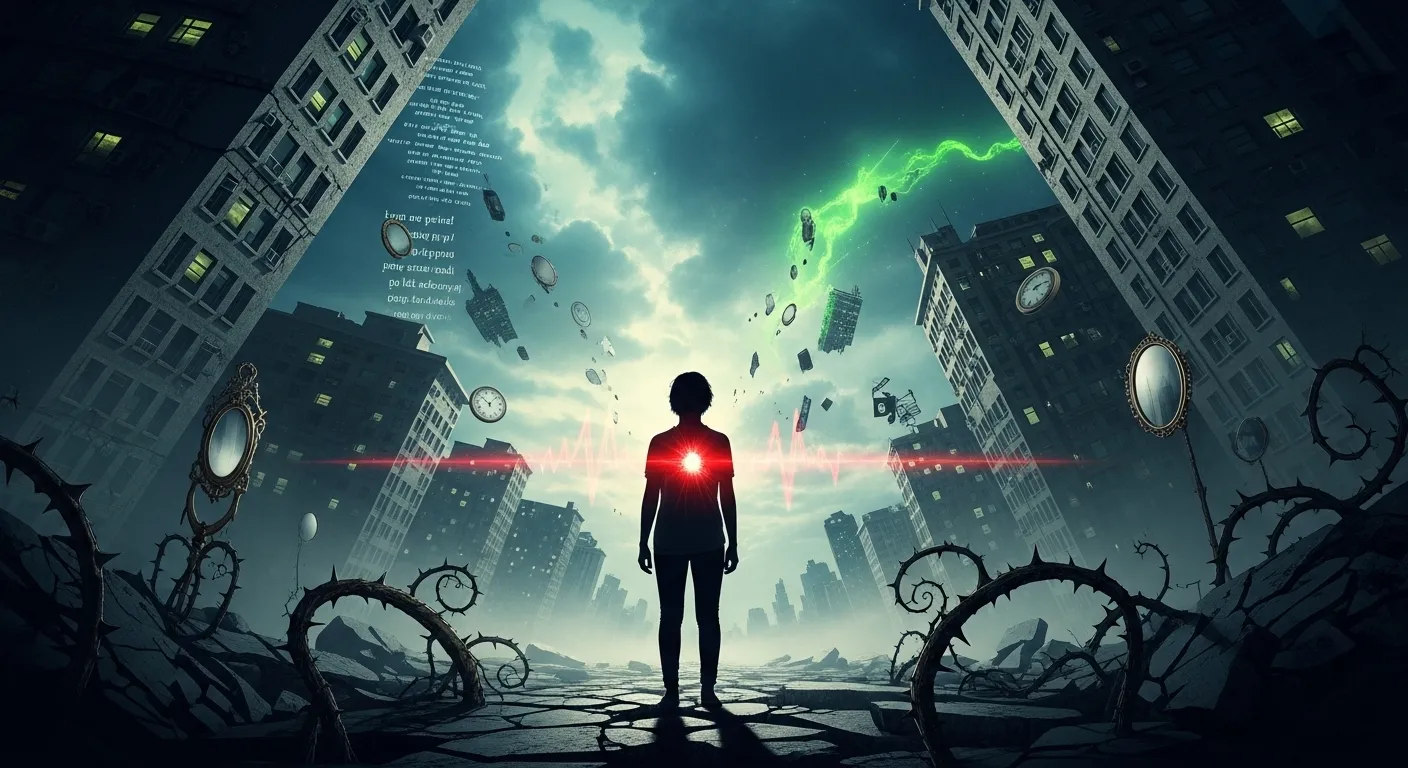
Spiritual Meaning of Anxiety in a Dream: What Your Inner Self May Be Trying to Tell You

Have you ever woken up from a dream feeling deeply uneasy, emotionally drained, or strangely alert? Dreams filled with anxiety, fear, tension, or emotional pressure can stay with you long after morning arrives. Sometimes they involve being chased, trapped, lost, or overwhelmed. Other times, the anxiety feels invisible but intense — a heavy emotional weight that follows you through the dream world.

These dreams are often more than random mental noise. Many spiritual traditions, psychologists, and neuroscientists believe anxious dreams reflect a deeper conversation happening inside you. They may reveal suppressed emotions, spiritual imbalance, unresolved trauma, inner conflict, or even personal transformation beginning beneath the surface.

The spiritual meaning of anxiety in a dream is commonly connected to your subconscious mind trying to get your attention. It may symbolize emotional overload, fear of change, disconnection from your true self, or resistance to growth. In some cases, anxiety dreams can even act as spiritual wake-up calls, encouraging healing and self-awareness.

This guide explores the emotional, spiritual, psychological, and scientific meanings behind anxiety in dreams — and what these experiences may teach you about yourself.


What Does Anxiety in a Dream Mean Spiritually?

Spiritually, anxiety in dreams often symbolizes inner imbalance or emotional energy seeking release. Your subconscious mind may use dream imagery to expose feelings you avoid during waking life.

These dreams can represent:

  • Fear of the unknown
  • Suppressed emotions
  • Loss of control
  • Spiritual disconnection
  • Emotional exhaustion
  • Resistance to change
  • Unresolved guilt or fear
  • A growing need for healing

Dream anxiety usually appears when your inner world and outer life are no longer aligned. You may be ignoring your intuition, overextending yourself emotionally, or carrying stress that has not been fully processed.

In spiritual traditions, dreams are often viewed as mirrors of the soul. Anxiety in a dream may reflect your spirit signaling that something needs attention, balance, or transformation.


The Symbolism of the Shadow Self in Anxiety Dreams

One of the deepest spiritual interpretations of anxious dreams involves the concept of the shadow self.

The shadow represents the hidden parts of your personality — the emotions, desires, fears, and memories you push away or deny. This idea became widely known through psychologist Carl Jung, who believed every person carries an unconscious side that influences thoughts and behavior.

Your shadow may include:

  • Hidden anger
  • Shame
  • Fear
  • Jealousy
  • Emotional pain
  • Unhealed trauma
  • Repressed desires
  • Insecurity

When anxiety appears in dreams, your shadow self may be trying to emerge into awareness.

Ego vs Higher Self

Spiritually, anxious dreams can also symbolize conflict between the ego and the higher self.

  • The ego seeks safety, control, approval, and comfort.
  • The higher self seeks truth, growth, healing, and spiritual awakening.

When these forces clash, dreams may become emotionally intense. Anxiety in the dream may reflect resistance to change or fear of confronting deeper truths about yourself.


Why Being Chased Intensifies the Meaning

Many anxiety dreams involve being chased by someone, something, or an unknown force.

This type of dream often symbolizes avoidance.

The thing chasing you may represent:

  • A painful memory
  • An uncomfortable truth
  • Emotional responsibility
  • Fear of failure
  • A life decision
  • Unprocessed trauma
  • Your own shadow self

The more you run in the dream, the stronger the emotional pressure usually becomes.

Spiritually, being chased suggests that something within you demands recognition. Your subconscious may be saying:

“You cannot heal what you continue to avoid.”

These dreams become especially powerful when the pursuer is faceless, dark, or mysterious. This often reflects fear that has not yet been consciously identified.


Freudian Interpretation of Anxiety Dreams

Sigmund Freud believed dreams were expressions of hidden desires and unconscious conflicts.

According to Freudian psychology, anxiety dreams may emerge from:

  • Repressed emotions
  • Unresolved childhood experiences
  • Hidden fears
  • Internal guilt
  • Emotional tension

Freud viewed dreams as symbolic disguises created by the unconscious mind. Anxiety in dreams could reflect emotional conflicts your conscious mind struggles to accept.

For example:

  • Falling may symbolize insecurity
  • Being trapped may reflect emotional restriction
  • Failing an exam may symbolize fear of judgment
  • Being chased may reflect avoidance of inner conflict

Freud believed the mind uses dreams to release psychological pressure that builds during waking life.


Jungian Interpretation of Anxiety Dreams

Carl Jung viewed dreams differently. Instead of hidden wishes, Jung believed dreams were messages guiding personal growth and spiritual integration.

In Jungian psychology, anxiety dreams often represent the process of confronting the shadow self.

Jung believed these dreams appear when:

  • You ignore important emotions
  • You suppress parts of your identity
  • Your inner self seeks wholeness
  • Major transformation is beginning

Rather than seeing anxiety dreams as purely negative, Jung viewed them as opportunities for self-awareness and healing.

An anxious dream may actually indicate that your psyche is trying to evolve.


Energy and Spiritual Interpretations

Many spiritual traditions believe dreams carry energetic meaning.

Anxiety in dreams may signal blocked emotional energy or imbalance within the body and spirit.

Emotional Energy Blocks

Strong emotions that are ignored during waking life may remain trapped energetically.

This emotional buildup can appear in dreams as:

  • Panic
  • Chaos
  • Darkness
  • Fear
  • Running
  • Feeling trapped

Spiritually, the dream becomes a release valve for emotional energy.

Chakra Imbalances

Some spiritual practices connect anxiety dreams to chakra imbalance.

Root Chakra Imbalance

Associated with safety and stability.

Dream signs:

  • Fear
  • Survival anxiety
  • Running
  • Insecurity

Solar Plexus Chakra Imbalance

Connected to confidence and control.

Dream signs:

  • Failure
  • Embarrassment
  • Powerlessness
  • Social anxiety

Heart Chakra Imbalance

Related to love and emotional openness.

Dream signs:

  • Rejection
  • Loneliness
  • Emotional pain

These dreams may encourage emotional healing and energetic alignment.


Anxiety Dreams and Spiritual Awakening

Interestingly, anxiety dreams sometimes appear during periods of spiritual awakening.

Spiritual awakening often involves:

  • Letting go of old beliefs
  • Identity shifts
  • Emotional cleansing
  • Increased sensitivity
  • Deep inner questioning

This process can feel emotionally overwhelming.

Your subconscious mind may react with anxious dreams because your inner world is changing rapidly. Old emotional patterns begin dissolving while new awareness emerges.

In this context, anxiety dreams may not be warnings — they may be signs of transformation.


Common Anxiety Dream Scenarios and Their Meanings

Running Away but Never Escaping

This dream usually symbolizes ongoing avoidance.

You may be trying to escape:

  • Responsibility
  • Emotional pain
  • Difficult conversations
  • Change
  • Self-truth

The endless running reflects emotional exhaustion.


Being Chased but Never Caught

This often suggests fear is controlling you more than reality itself.

The dream may reveal:

  • Anticipation anxiety
  • Chronic stress
  • Fear of future outcomes
  • Inner insecurity

Spiritually, this dream can mean the lesson has not yet been faced directly.


Turning Around and Facing the Shadow

This is one of the most powerful dream transformations.

When you stop running and face the threat, the dream often shifts dramatically.

This can symbolize:

  • Emotional courage
  • Self-acceptance
  • Healing
  • Spiritual growth
  • Inner integration

Many people report feeling calmer after such dreams.


The Shadow Suddenly Disappearing

If the threatening figure vanishes, it may symbolize:

  • Emotional release
  • Healing progress
  • Acceptance
  • Reduced inner conflict

The disappearance suggests the subconscious no longer needs to express the fear in the same way.


Gradual Realization vs Sudden Fear Reactions

Not all anxiety dreams feel the same.

Gradual Realization Dreams

These dreams slowly become uncomfortable over time.

You may notice:

  • Growing tension
  • Strange environments
  • Subtle emotional dread
  • Confusion

Spiritually, these dreams often symbolize slowly emerging awareness. Your subconscious is gently revealing hidden emotions.


Sudden Fear Reaction Dreams

These dreams involve immediate panic or terror.

Examples include:

  • Sudden danger
  • Immediate pursuit
  • Shock
  • Falling
  • Loud emotional intensity

These dreams may reflect:

  • Acute stress
  • Trauma responses
  • Nervous system overload
  • Emotional overwhelm

The intensity often mirrors unresolved emotional pressure in waking life.


Causes and Triggers of Anxiety Dreams

Anxiety dreams are often connected to real-life emotional experiences.

Stress and Emotional Pressure

Daily stress is one of the most common triggers.

Your brain continues processing:

  • Work pressure
  • Financial worry
  • Relationship conflict
  • Emotional overload

Trauma and Unresolved Pain

Past experiences can remain active in the subconscious mind.

Trauma-related anxiety dreams may involve:

  • Repetition
  • Fear
  • Helplessness
  • Hypervigilance

The mind may revisit these emotions while attempting to process them.


Major Life Changes

Transitions often trigger emotionally charged dreams.

Examples include:

  • Moving
  • Breakups
  • Career changes
  • Loss
  • Spiritual growth
  • Identity shifts

Periods of uncertainty frequently appear symbolically during sleep.


Suppressed Emotions

Ignoring emotions during the day can intensify dreams at night.

Unexpressed:

  • Anger
  • Sadness
  • Fear
  • Shame
  • Anxiety

may surface symbolically in dream form.


The Scientific Explanation Behind Anxiety Dreams

Science also offers insight into why anxious dreams happen.

REM Sleep and Emotional Processing

Most vivid dreaming occurs during REM sleep (Rapid Eye Movement sleep).

During REM sleep:

  • The brain processes emotions
  • Memories are organized
  • Emotional experiences are reviewed
  • Fear-related brain regions become highly active

This helps explain why dreams can feel emotionally intense.


Threat Simulation Theory

Some researchers believe dreams help humans rehearse survival situations.

This is called threat simulation theory.

According to this idea, anxious dreams may help the brain practice responses to danger or stress in a safe environment.

Being chased, hiding, or escaping may represent the brain’s attempt to prepare emotionally for challenges.


The Amygdala and Fear Processing

The amygdala, the brain region associated with fear and emotion, becomes highly active during intense dreams.

Meanwhile, logical reasoning areas become less active.

This imbalance helps explain why dreams can feel irrational yet emotionally overwhelming.


Personal Growth Lessons Hidden in Anxiety Dreams

Although uncomfortable, anxiety dreams often contain important lessons.

They may encourage you to:

  • Acknowledge hidden emotions
  • Slow down emotionally
  • Heal unresolved wounds
  • Trust your intuition
  • Face fears honestly
  • Set healthier boundaries
  • Reconnect with your authentic self

Spiritually, these dreams may act as invitations toward deeper awareness.

Sometimes the dream is not punishing you — it is trying to awaken you.


Reflection and Healing Tips After Anxiety Dreams

Keep a Dream Journal

Write down:

  • Symbols
  • Emotions
  • Locations
  • People
  • Repeating patterns

Over time, deeper emotional themes may become clearer.


Practice Mindfulness

Mindfulness helps calm the nervous system and reduce emotional overload.

Helpful practices include:

  • Deep breathing
  • Meditation
  • Body awareness
  • Gentle grounding exercises

Explore Shadow Work

Shadow work involves honestly examining hidden emotions and patterns.

Questions to ask:

  • What am I avoiding?
  • What emotion feels uncomfortable?
  • What truth am I resisting?
  • What fear keeps repeating?

This process can reduce recurring anxiety dreams over time.


Improve Emotional Expression

Suppressing emotions often strengthens anxious dream activity.

Healthy emotional outlets include:

  • Therapy
  • Creative expression
  • Honest conversation
  • Prayer
  • Spiritual reflection

Protect Your Sleep Environment

Reduce overstimulation before sleep.

Helpful habits:

  • Limit screens before bed
  • Avoid stressful media
  • Create calming nighttime routines
  • Practice relaxation exercises

Frequently Asked Questions

Is anxiety in a dream a bad sign?

Not necessarily. Anxiety dreams often reflect emotional processing, inner conflict, or spiritual growth rather than literal danger.


Why do I keep having anxiety dreams repeatedly?

Recurring anxiety dreams usually point to unresolved emotions, chronic stress, trauma, or ongoing inner conflict that has not been fully addressed.


Are anxiety dreams connected to spiritual awakening?

They can be. Emotional intensity, identity shifts, and increased sensitivity during spiritual awakening may trigger vivid or anxious dreams.


What does it mean if I am being chased in my dream?

Being chased often symbolizes avoidance. The pursuer may represent fear, responsibility, emotional pain, or parts of yourself you have not fully faced.


Can anxiety dreams predict the future?

Most anxiety dreams are symbolic rather than predictive. They usually reflect emotional states, subconscious fears, or spiritual themes.


Why do anxiety dreams feel so real?

During REM sleep, emotional brain regions become highly active while logical reasoning decreases. This makes dreams feel emotionally intense and realistic.


How can I stop anxiety dreams?

Reducing stress, improving sleep habits, practicing mindfulness, processing emotions, and exploring unresolved fears may help reduce anxious dreams.


Is dreaming about fear spiritually meaningful?

Yes. Many spiritual traditions believe fear in dreams reveals emotional imbalance, inner conflict, or areas needing healing and transformation.


Final Thoughts

The spiritual meaning of anxiety in a dream is deeply connected to your emotional and inner life. These dreams often emerge when fear, stress, suppressed feelings, or spiritual tension begin demanding attention.

Rather than viewing anxious dreams as purely negative experiences, it may help to see them as messages from the subconscious mind — signals pointing toward healing, truth, and self-awareness.

Sometimes the dream reveals what the waking mind avoids.

Whether interpreted spiritually, psychologically, or scientifically, anxiety dreams remind us that the mind and soul are constantly processing our experiences beneath the surface. By listening carefully, reflecting honestly, and responding with compassion instead of fear, these dreams can become powerful tools for growth and transformation.

Leave a Comment